 CCAT is celebrating ten years of activity. What were the initial goals and what have been the most significant results achieved so far?
Over the past ten years, we've made local products more visible and accessible thanks to the "Ticino a te" platform, which includes approximately 250 producers and retailers. At the same time, we've consolidated the use of regional products in mass catering, with 86 canteens serving approximately 489,000 meals annually and using a significant portion (approximately 30%) of local products on their menus. Thanks to the "Ticino a Tavola" initiative, created with GastroTicino, approximately 100 restaurateurs produce over 400,000 dishes annually, generating a turnover of approximately 4 million francs. This is complemented by the promotion of supply chain brands, particularly "Ticino regio.garantie."
Strengthening the link between agri-food and tourism, we have developed food and wine and experiential projects and offerings such as the Swiss Wine Tour (e.g., dinners in the vineyard) and Agri-Experiences, which showcase the region and local production.
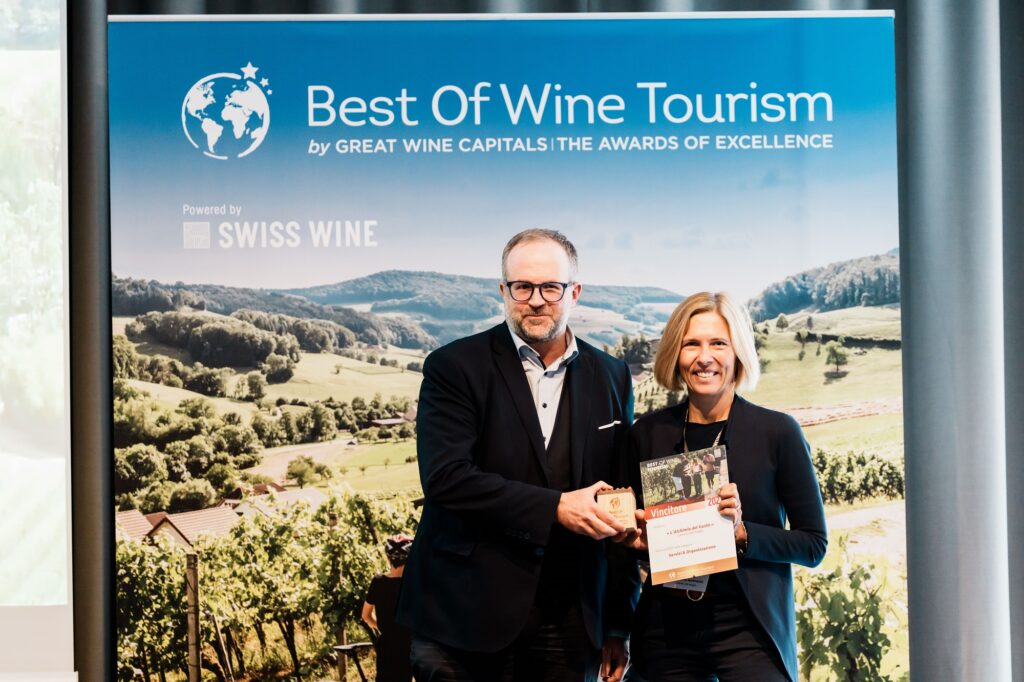
As a testament to our achievements, this year we celebrated our tenth anniversary by receiving two important awards: the first for "Ticino a te" and "Ticino a Tavola," awarded by the State Secretariat for Economic Affairs (SECO) and the Federal Office for Agriculture (FOAG), and the second for Agriesperienze, recognized nationally and internationally with the Best of Wine Tourism award. This achievement led to my appointment as a member of the newly established Swiss Wine Tourism Commission.
 Of the many projects promoted in recent years, which do you think have had the greatest impact on producers and the Ticino region?
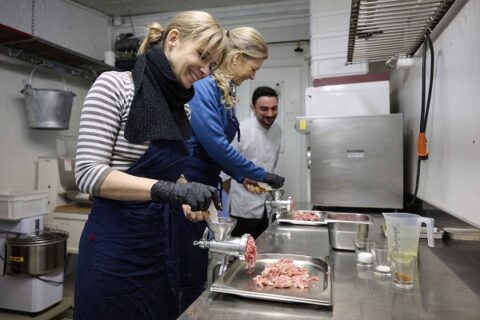
"One of the most significant results is certainly having created a network among producers, who now benefit from greater visibility and, consequently, better sales opportunities. This also allows us to specifically guide consumers towards local producers.
Equally important are the synergies created between the agricultural sector, catering (private and collective) and tourism, key partners for promoting and further promoting the excellent agri-food products of our region."
What role does CCAT play in the Ticino economy today, and what added value does it bring to the Canton's agri-food sector?
Over the years, CCAT has assumed an increasingly central role as coordinator, promoter, and manager of projects in the agri-food sector. We have demonstrated that we possess the expertise, vision, and operational capacity necessary to effectively carry out the tasks entrusted to us, strengthening the trust of our partners and consumers.
 In recent years, there has been a growing focus on local products and sustainability. How much has CCAT contributed to this cultural shift?
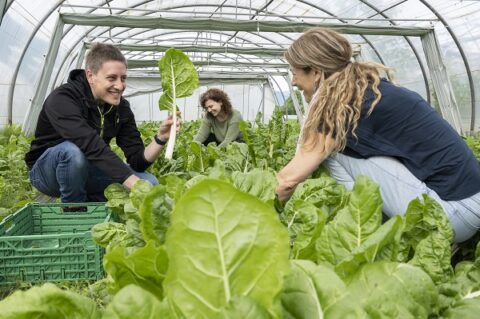
All our activities have a clear goal: to raise awareness of the good things produced in Ticino, as we believe that knowledge is the first step to appreciation. With initiatives like Agriesperienze, we seek to build a bridge between the agricultural and urban worlds, responding to consumers' growing interest in the origins of food and its production methods.
With this in mind, we also collaborate with schools and vocational training institutions, participating in initiatives such as the Sustainability Day at the Trevano Technical Professional Center and Bellinzona's Green Day, scheduled for September. I'm particularly passionate about this topic, which is why last year I deepened my knowledge on the subject by attending the Executive Master in Circular Economy for Food, offered by the University of Gastronomic Sciences in Pollenzo.
Collaboration with restaurants, tourism, schools, and the media is one of CCAT's strengths. How important is networking to support Ticino's agri-food sector?
Ticino is too small to allow itself to operate in a disorganized manner. The saying "unity is strength" remains more relevant than ever: networking is a necessity, not an option. It's encouraging to see how many virtuous synergies can emerge when there's a willingness to collaborate and put skills and energy to work toward a common goal.
 Looking to the future, what will be CCAT's priorities and the main challenges it will face in the coming years?
Agriculture is a fragile sector: a hailstorm or months of drought can jeopardize an entire harvest. Supporting local production is therefore essential to ensure the vitality of the agricultural sector. For this reason, we will continue to promote healthy, balanced, and sustainable diets, raising consumer awareness of the opportunities offered by the local area.
Being an informed consumer is everyone's responsibility. In Ticino and Switzerland, we can count on controlled and certified production, with fresh and authentic foods: a blessing to be valued and supported.