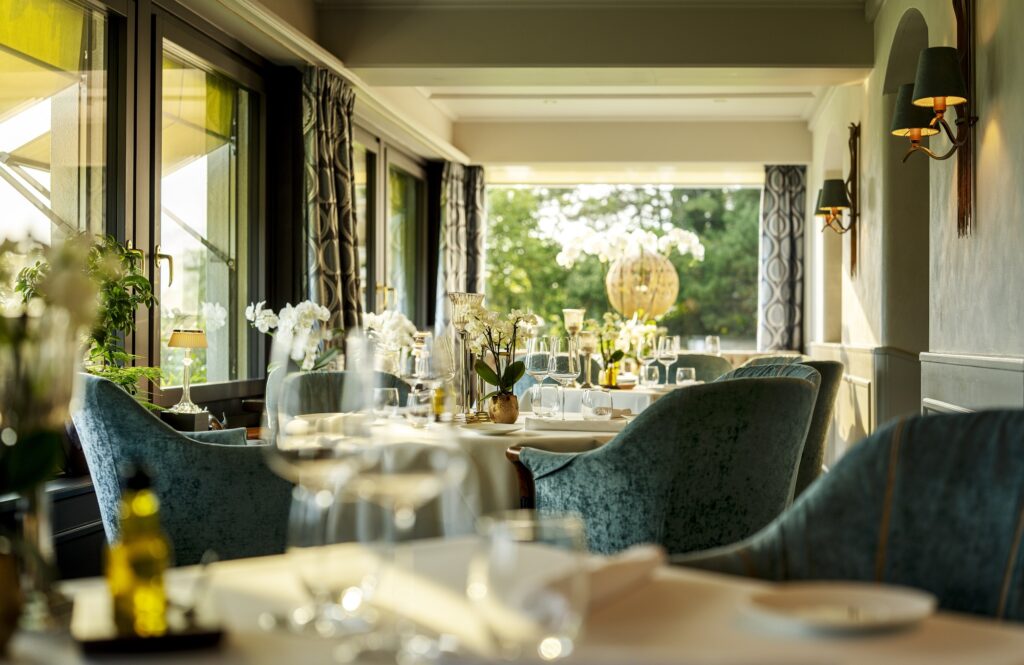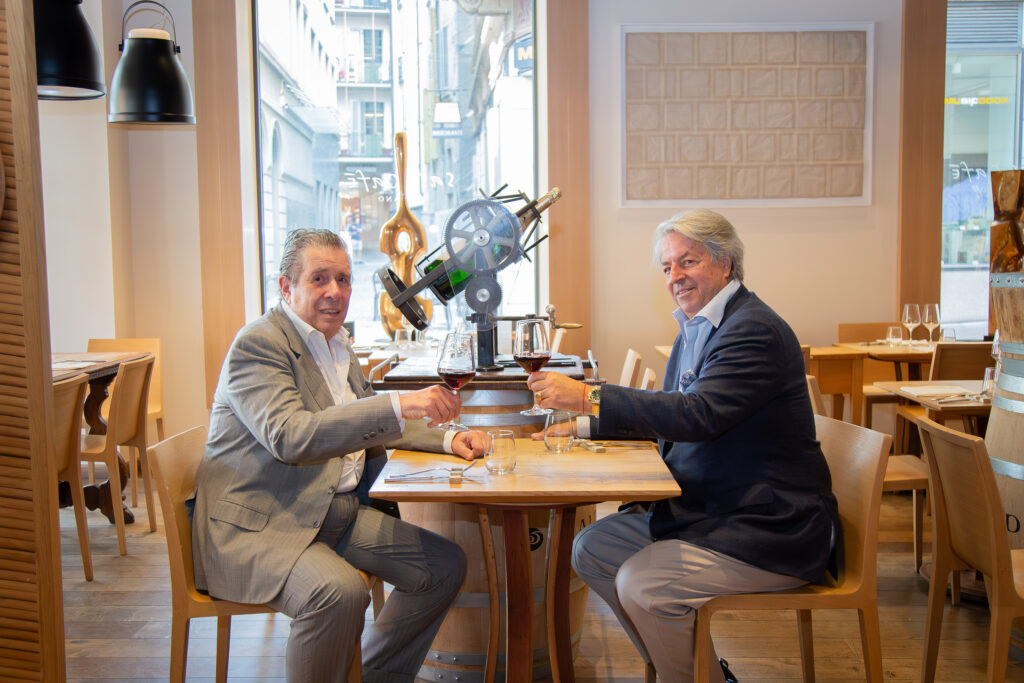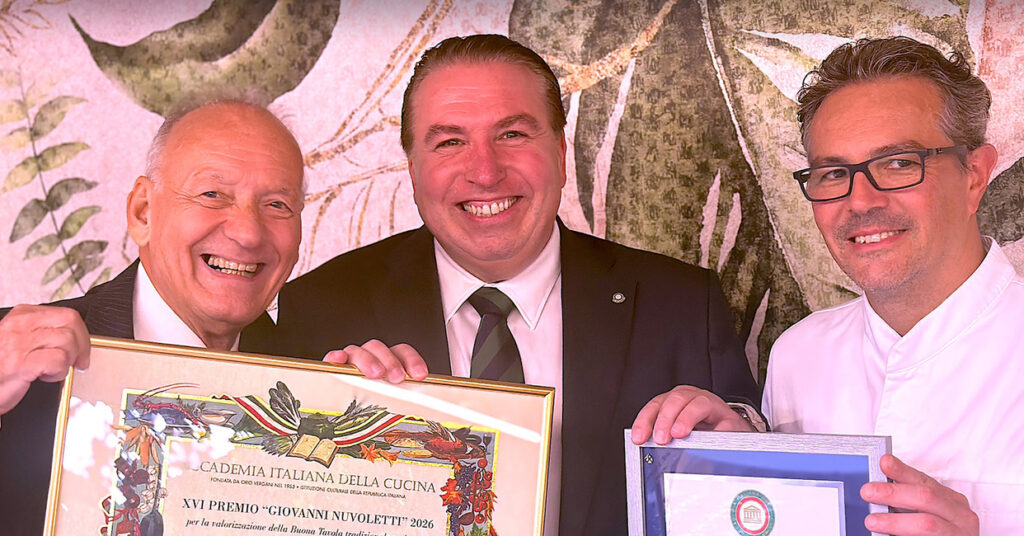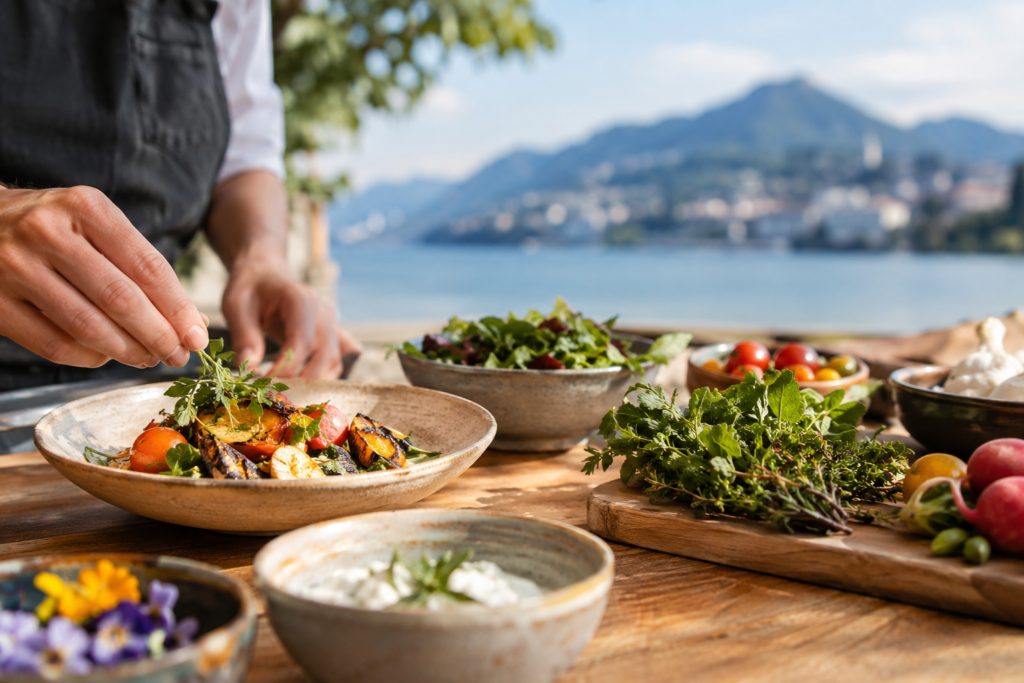

 From September 13th to November 15th 2026, Ticino will once again speak the language of great international cuisine, but with a focus primarily on Switzerland. twentieth edition of S.Pellegrino Sapori Ticino It coincides with an anniversary that also provides an opportunity to retrace a twenty-year journey and to question the evolution of a sector that, in the meantime, has assumed an increasingly important role in promoting tourism in local areas.
The event, founded in 2007 by Dany Stauffacher, has over time developed a network of encounters between chefs, restaurateurs, hotels, tourism institutions, and training organizations. The numbers summarise the scope of the initiative: over 400 evenings, more than 600 Michelin stars represented, and more than 5,800 GaultMillau points accumulated over the various editions.
For its twentieth anniversary, after exploring countries, cultures, and gastronomic traditions, the festival has chosen to return to its geographical roots. The underlying theme for 2026 will be Switzerland and, in particular, the work of its chefs, called upon to represent a national cuisine increasingly recognized beyond its borders.
This edition will also feature Ticino Welcome as a media partner , accompanying and highlighting one of the region's longest-running and most well-established food and wine events. This partnership takes on a special significance in its twentieth anniversary year, when the festival offers a journey through Swiss culinary culture and its connection to Ticino.
 Twenty years of meetings and exchanges
When Dany Stauffacher launched Sapori Ticino, the goal was to use food and wine as a tool for connecting with and promoting the region. The project began, as Stauffacher himself recalled, almost as a bet between friends, with the aim of bringing together international excellence with Ticino's hotels and restaurant professionals.
In those years, the centrality of food in choosing a tourist destination wasn't yet perceived as intensely as it is today. High-end restaurants already existed, but food and wine had not yet assumed the strategic role it occupies today in destination development and communication policies.
Over the course of two decades, the situation has changed. Food tourism has become one of the motivations for exploring a region, staying longer, and learning more about its products, traditions, and identity. In this process, Ticino has strengthened its position, developing an offering that connects dining, hospitality, viticulture, and local produce.
S.Pellegrino Sapori Ticino has accompanied this transformation, building partnerships over time with hotels, restaurants, guest chefs, and industry organizations.
 Switzerland is at the center in 2026
The choice of Switzerland as the featured country for the twentieth edition represents not only a symbolic return to its origins. It also acknowledges a shift in national gastronomy that has taken place in recent years.
Swiss cuisine has gradually moved away from an exclusively regional dimension to develop a more varied offering, capable of combining local identities, contemporary techniques, sustainability, and international openness.
A story that, however, has roots much further back in time. Among the figures recalled by the organizers is Martino de Rossi, a native of the Blenio Valley and considered by many scholars to be one of the forerunners of modern cuisine. His work, dating to the dawn of the Renaissance, demonstrates how the region of what is now Italian-speaking Switzerland also contributed to the history of European gastronomic culture.
The most recent data also confirm the growth of the sector: Swiss restaurants awarded Michelin stars have increased from 84 in 2010 to 145 in 2025, while the GaultMillau guide now reviews around 880 restaurants in the country.
These numbers reflect an evolving sector, in which chefs have also taken on the role of interpreters and ambassadors of the various national gastronomic identities.
 Eleven chefs, 21 stars and 199 GaultMillau points
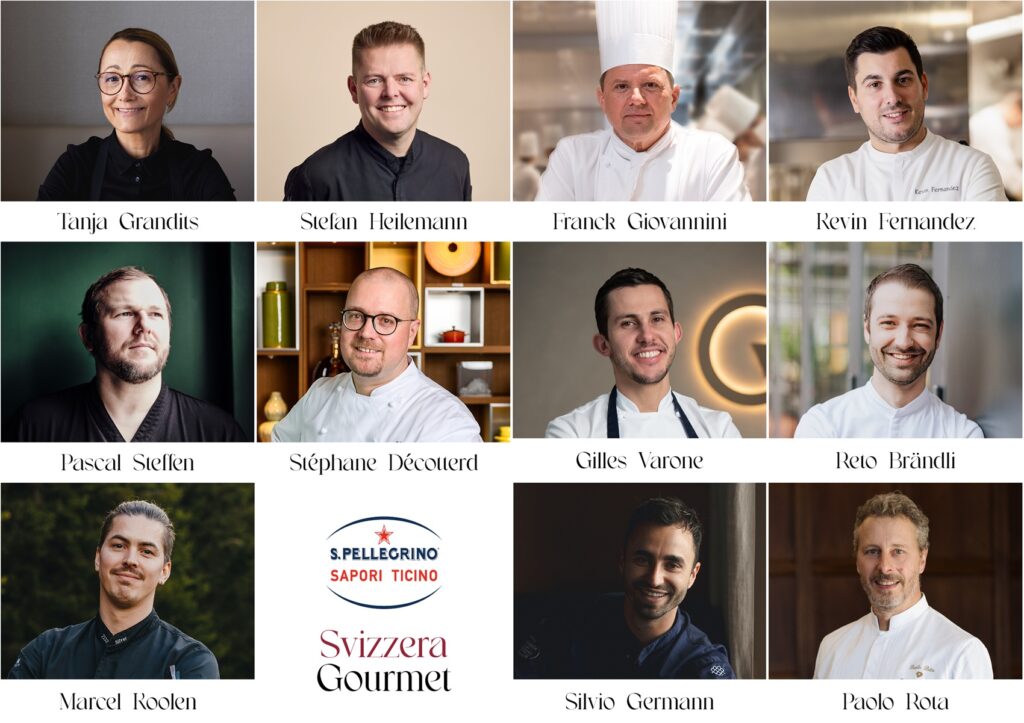
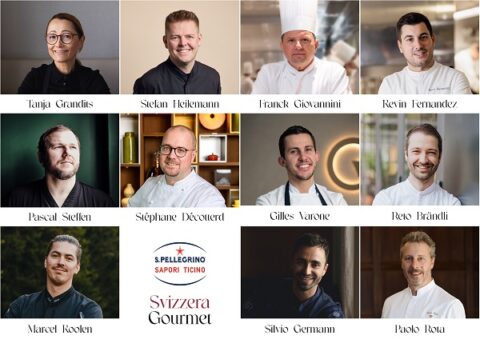
The 2026 edition will bring together eleven Swiss chefs, with a total of 21 Michelin stars and 199 GaultMillau points. A diverse group, representing different generations, experiences, and approaches to cuisine.
Among the announced protagonists are Tanja Grandits, Stefan Heilemann, Marcel Koolen, Reto Brändli, Kevin Fernandez, Franck Giovannini, Stéphane Décotterd, Pascal Steffen, Paolo Rota, Gilles Varone and Silvio Germann.
The evenings will begin in mid-September and will involve Ticino chefs and professionals in a series of collaborations that are one of the distinctive elements of the formula developed by S.Pellegrino Sapori Ticino.
The logic remains one of exchange: not simply bringing established culinary names to the Canton, but creating opportunities for exchange between international guests, local chefs, and hospitality establishments.
 From Lugano to Locarno, a network of places and restaurants
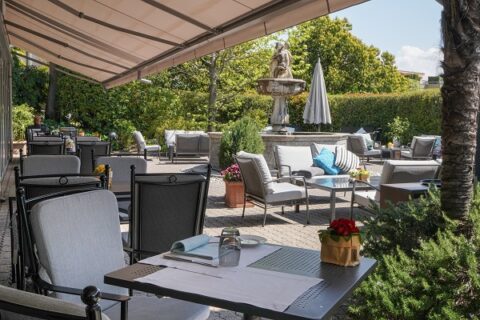
The program will involve several locations in the Canton, with events spread between Lugano and Sopraceneri.
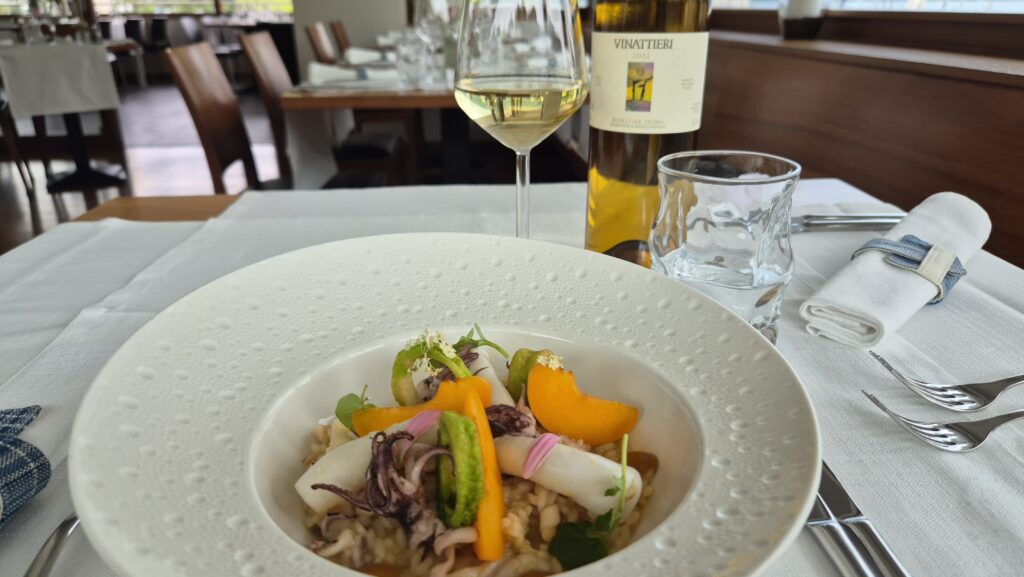
Among the facilities and restaurants indicated for the 2026 edition are Hotel Splendide Royal , Grand Hotel Villa Castagnola , Villa Principe Leopoldo , Casinò Lugano , La Romantica Boutique Hotel in Melide, Hotel Eden Roc and Seven Toc Toc in Ascona, Hotel Belvedere in Locarno, Ristorante La Baia in Muralto-Locarno, as well as Ristorante Seven and Ristorante Ciani in Lugano.
A territorial distribution that reflects the model the festival has developed over the years and aims to involve different aspects of Ticino's hospitality sector.
The event also continues to develop thanks to collaboration with industry organizations and partners such as Swiss Deluxe Hotels, Grandes Tables Suisses, GaultMillau and EHL, the Hospitality Business School of Lausanne.
 Tourism and gastronomy, an increasingly close bond
The twentieth edition falls within an autumn season in which Ticino aims to strengthen its ability to attract visitors even outside of the traditionally busiest periods.
According to Christina Glaeser, director of Switzerland Tourism in Italy, events of this type contribute to the distribution of flows throughout the year and can attract visitors interested in longer stays and in-depth knowledge of the destinations.
From this perspective, gastronomy isn't just considered a complementary service to travel. It can become one of the main reasons for choosing a destination, contributing to the promotion of lesser-known itineraries and seasons other than summer.
Angelo Trotta, director of Ticino Turismo, emphasized how the festival has contributed over time to promoting the canton's gastronomic offerings and its professionals, strengthening Ticino's image as a destination renowned for quality and hospitality.
This analysis is shared by Massimo Boni, director of the Lugano Tourist Board, who believes that food and wine are among the destination's strategic segments and are also a useful tool for deseasonalization.
 An autumn built around flavors
S.Pellegrino Sapori Ticino won't be the only food-themed event scheduled in Ticino for autumn 2026. The season will also feature a particularly busy calendar of events, popular festivals, and initiatives centered around wine and local products.
Among these is the Mendrisiotto Gastronomic Festival , scheduled for October 1st, with themed menus dedicated to the region's culinary tradition.
From 2 to 4 October, the Lugano Autumn Festival will return , with Ticino specialties, stalls and music in the city centre.
Between September 15th and October 27th, the Gastronomic Autumn will involve more than fifty restaurants in Ascona, Locarno and the surrounding valleys.
The calendar also includes events related to the grape harvest, such as PerBacco in Bellinzona , scheduled from 3 to 6 September, and the Mendrisio Wine Festival , from 25 to 27 September.
 Merlot and 120 Years of Ticino History
2026 will also coincide with a significant anniversary for cantonal viticulture: 120 years since the introduction of Merlot in Ticino.
The arrival of the grape variety dates back to 1906 and to the initiative of the doctor, agronomist and winemaker Giovanni Rossi, who started an experiment in Malcantone, in the Castelrotto area, linked to the Vallombrosa estate.
Merlot found favorable conditions and gradually spread throughout the canton, eventually becoming the dominant variety in Ticino's wine production. Today, it accounts for approximately 80 percent of the canton's vineyard area and is one of the most recognizable elements of the region's winemaking identity.
Wine-related tourism experiences have also developed, combining tastings, cellar visits, and walking and cycling through the vineyards.
From grottos to paths through vineyards and mountains
Ticino's gastronomic offerings naturally extend beyond fine dining. Grottos continue to play an important role, serving traditional cuisine and dishes such as local cured meats and cheeses, minestrone, busecca, risotto, pickled fish, and polenta with game, often accompanied by a glass of Merlot served in a traditional boccalino.
In Lugano, for example, the Grotti Tour offers an evening boat tour with a stop and dinner at one of the grottos overlooking the lake, including the Grotto Descanso at Cantine di Gandria.
There are also options that combine outdoor activities and tastings. The Monte Bar Experience , designed for mountain biking and gravel biking, connects the mountain pastures, grottos, and refuges of Capriasca, while Bike'n Wine Mendrisiotto combines vineyard itineraries with tastings.
Different experiences, but united by the desire to use food and wine as tools to connect with the local area.
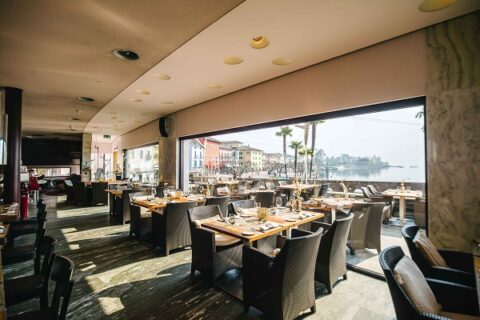 Twenty years later, gastronomy as a story of the territory
Looking back at its history, S.Pellegrino Sapori Ticino reaches its twentieth edition in a profoundly different context than its inception. In two decades, the restaurant industry, traveler expectations, and the very role of food and wine in tourism strategies have changed.
The return to Switzerland, after a long journey through diverse countries and cultures, is therefore a choice consistent with this transition. The festival aims to celebrate chefs and national cuisine, but also to highlight a network of professionals, establishments, and regions that have contributed to the growth of the sector.
From September 13th to November 15th, the twentieth chapter of the event will offer a series of meetings dedicated to contemporary cuisine, traditions, and the ability of a region to tell its story through what it produces and serves at the table.
For Ticino Welcome , media partner of the twentieth anniversary edition, it will be an opportunity to closely follow a journey that, over the past twenty years, has accompanied the evolution of Ticino and Swiss gastronomy, helping to transform the meeting between chefs, hospitality, and tourism into an event recognizable even beyond the canton's borders.