
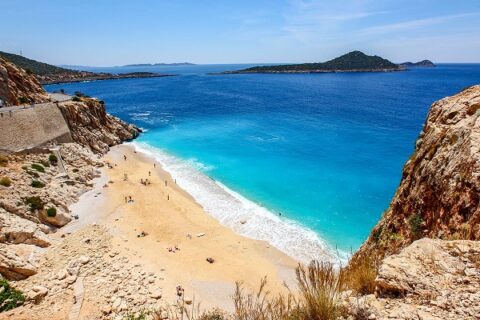
 There is a Türkiye that surprises with the extraordinary harmony with which the sea, history, and nature coexist in the same landscape. Antalya is perhaps the most authentic expression of this.Overlooking the Mediterranean Sea and considered the capital of the so-called Turkish Riviera, this lively city on the southern coast is one of the country's most popular destinations, combining the charm of ancient civilizations with a modern, high-end tourism offering.
It is easily accessible from Zurich thanks to the direct Edelweiss connection, which takes about three hours and twenty minutes, while Dalaman and Gazipaşa airports are valid alternatives for those wishing to explore this part of Turkey.
Founded in the country's southwestern region, Antalya has spanned centuries of history, from Byzantine to Ottoman rule until the founding of the Turkish Republic in 1923. Today, it has nearly one million inhabitants and extends along a spectacular cliff overlooking the Mediterranean, where beaches, historic buildings, mosques, and large green spaces coexist in perfect harmony. Among these, Karaalioglu Park is worth a visit , a splendid natural viewpoint from which one can gaze across the entire gulf.
 Hospitality also contributes to making a stay special. The city's luxury hotels interpret the concept of hospitality with particular attention to comfort, well-being, and quality of service. The five-star Nirvana Cosmopolitan, an elegant structure certified under Turkey's Sustainable Tourism Program, where attention to the environment is combined with a high level of service.
Antalya also captivates at the table. Its cuisine reflects the intersection of the Mediterranean coast, the Taurus Mountains, and the ancient nomadic traditions of the York people. Fresh fish, citrus fruits, and aromatic herbs complement the produce of the Anatolian hinterland, such as lamb, legumes, and bread baked in traditional open-air ovens, creating a cuisine with its own distinct characteristics rarely found in other regions of Türkiye.
 The best way to get to know Antalya is to start from its most ancient heart. Old CityThe historic district still retains the atmosphere of the city of yesteryear, with its cobbled alleys, ancient homes, and glimpses that seem to tell centuries of history. Here you'll find the stone clock tower and the statue of Attalos II, the ruler who founded the city, while a little further north lies the large covered bazaar, dating back to the late 15th century.
Continuing the walk, you reach the monumental Hadrian's Gate , built in 130 AD for the Roman emperor's visit. Even today, it represents one of the most evocative entrances to the historic center and one of the most significant testimonies to the city's Roman past.
Just a few steps separate the Imperial Gate from another symbol of Antalya: the famous Yivli Minare , the fluted minaret that dominates the city skyline at 38 meters high. Built of red brick and embellished with mosaics and tiles, it is one of the most iconic monuments of the historic city and an unmissable stop for anyone wishing to appreciate its architectural identity.
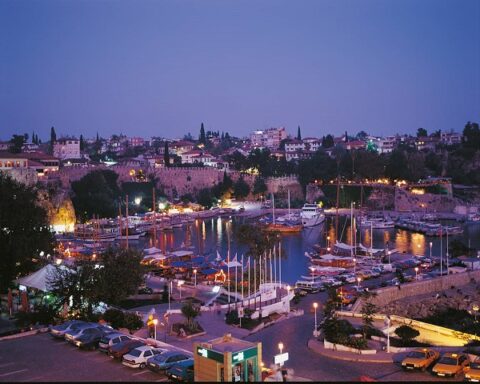 To complete this first journey into the history of the region it is worth reaching the archaeological MuseumLocated about two kilometers from the historic center, it is considered one of the most important in Turkey. Its collections lead visitors through millennia of civilization: from Neolithic and Bronze Age artifacts to the splendid Hellenistic and Roman statues from ancient Perge, offering a valuable insight into the historical and cultural richness of the entire region.
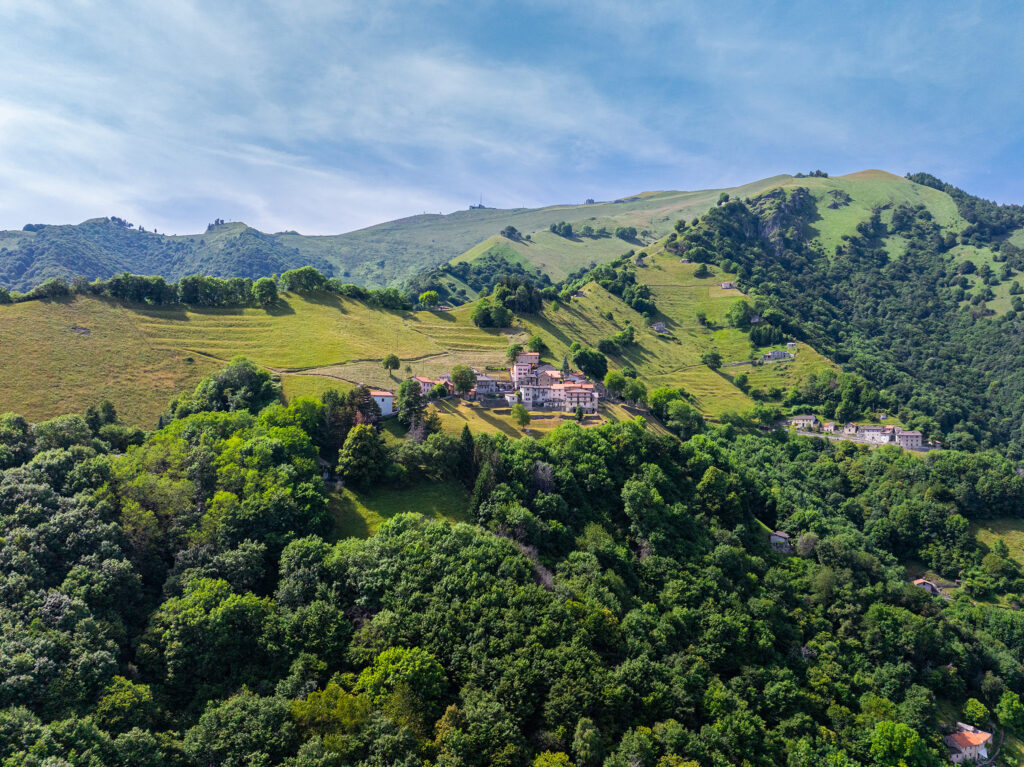
Leaving the coast behind, the landscape changes rapidly and reveals a different face of the Antalya region, made up of mountains, small villages and natural scenery that seems to belong to another era.
Among the most surprising stops is Ormana , recognized in 2024 by the United Nations World Tourism Organization as one of the best tourist villages in the world. Nestled at approximately 1.000 meters above sea level, this small town of just 600 inhabitants preserves an extraordinary historical and architectural heritage. Its origins date back to the Hellenistic era, but what most strikes visitors are the famous button houses , over three hundred dwellings built exclusively of stone and wood, without the use of mortar or cement. This ancient construction technique has allowed these buildings to stand the test of time, resisting the elements and earthquakes, transforming them into the very symbol of the village, surrounded by lush vineyards.
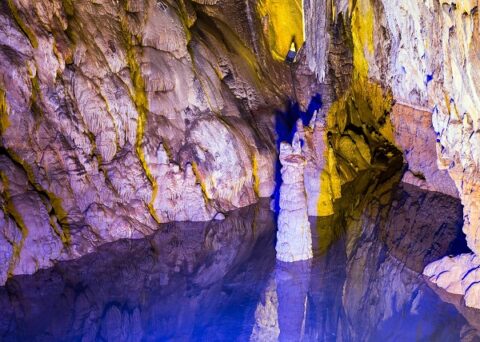 Not far from here, nature offers another spectacle of rare beauty. Altınbeşik Cave, also known as the "Golden Cradle Cave," is one of Turkey's most fascinating natural wonders. Located in the Taurus Mountains, near Akseki, it contains a 2.200-meter-long underground lake, the largest in the country and the third largest in Europe. The entrance itself, adorned with spectacular stalactites, hints at the extraordinary nature of the place, but it's during the boat tour that the cave reveals its full magic, with its evocative rock formations and plays of light that create an almost unreal atmosphere.
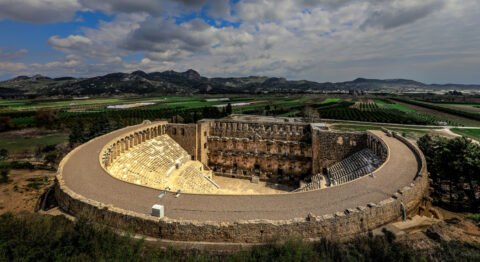
Returning to the coast, the journey continues along the traces left by the great civilizations of the past. Less than fifty kilometers from Antalya lies Aspendos , world-famous for its magnificent Roman theater, considered one of the best-preserved in Turkey. Built in 155 AD, it could accommodate up to 12.000 spectators and still impresses today with the integrity of its structure and the elegance of its architecture, which, almost two thousand years later, speaks volumes about the grandeur of the Roman era.
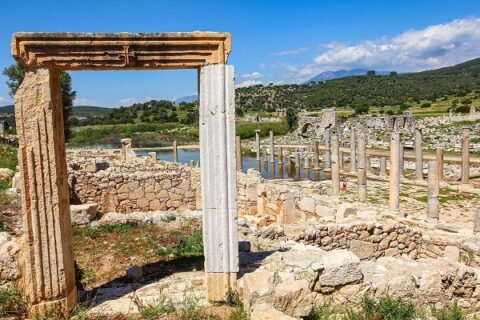
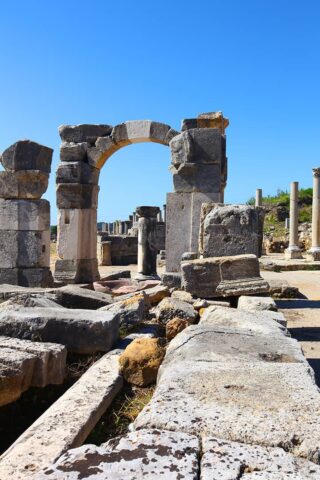 Not far away you will find another of the most important archaeological sites in the region: perge, an unmissable destination for history buffs. Founded around 1000 BC, it reached its peak during the Roman period, to which most of the perfectly preserved ruins today belong. Strolling through the ancient city, you can admire the theater, a temple dedicated to Artemis, and two churches, evidence of a long history that continues to fascinate scholars and visitors from around the world.
Continuing east, the coast continues to offer places where the charm of the Mediterranean intertwines with that of the great civilizations that have succeeded one another here over the centuries.
Among the most popular stops is Side , now a renowned seaside resort but also a true open-air museum, located approximately 75 kilometers from Antalya. Strolling through the streets of the historic center, one often gets the impression that the past resurfaces at every turn: the majestic Roman theater, the temples of Apollo and Athena, and numerous archaeological remains coexist alongside shops, cafes, and restaurants, some of which have chosen to enhance the ancient remains with glass floors through which columns and other artifacts can be observed. To preserve this precious heritage, access to the historic center is reserved for pedestrians; a large parking lot and a shuttle service, however, allow easy access to the monumental area. Completing the picture are the long sandy beaches that extend both east and west of the city, some stretches still devoid of tourist facilities.
The itinerary can then continue to Olympos , about 70 kilometers from Antalya, where Roman and Byzantine ruins emerge immersed in lush vegetation. The presence of numerous springs of warm, drinkable water has favored the development of particularly lush flora over time, making this site a place where history and nature coexist in perfect harmony.
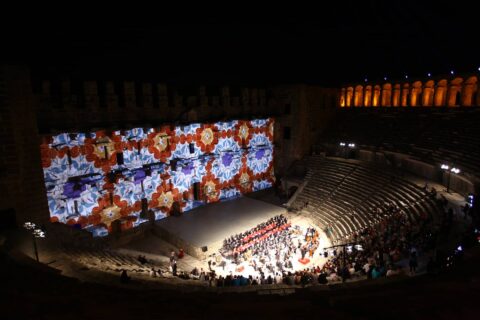 A little further on it is also worth a stop phaselis, one of the best-preserved testimonies of ancient Lycia. Here, the charm of the ruins blends with a highly evocative natural landscape. The city had three natural ports and still retains the famous Via del Porto, lined with the remains of shops, baths, and aqueducts from the Roman and Byzantine eras. Among the most significant monuments are the amphitheater and theArch of Hadrian, erected to commemorate the visit of the emperor in 131 AD, while the entire site is surrounded by a cool pine forest which makes the visit among walls, agora and ancient public buildings particularly pleasant.
Those wishing to complete this journey with a stop on Turkey's more recent history can finally visit the Atatürk House Museum , dedicated to Mustafa Kemal Atatürk, founder and first president of the Turkish Republic. This place offers the opportunity to learn more about the man who led the birth of modern Turkey.