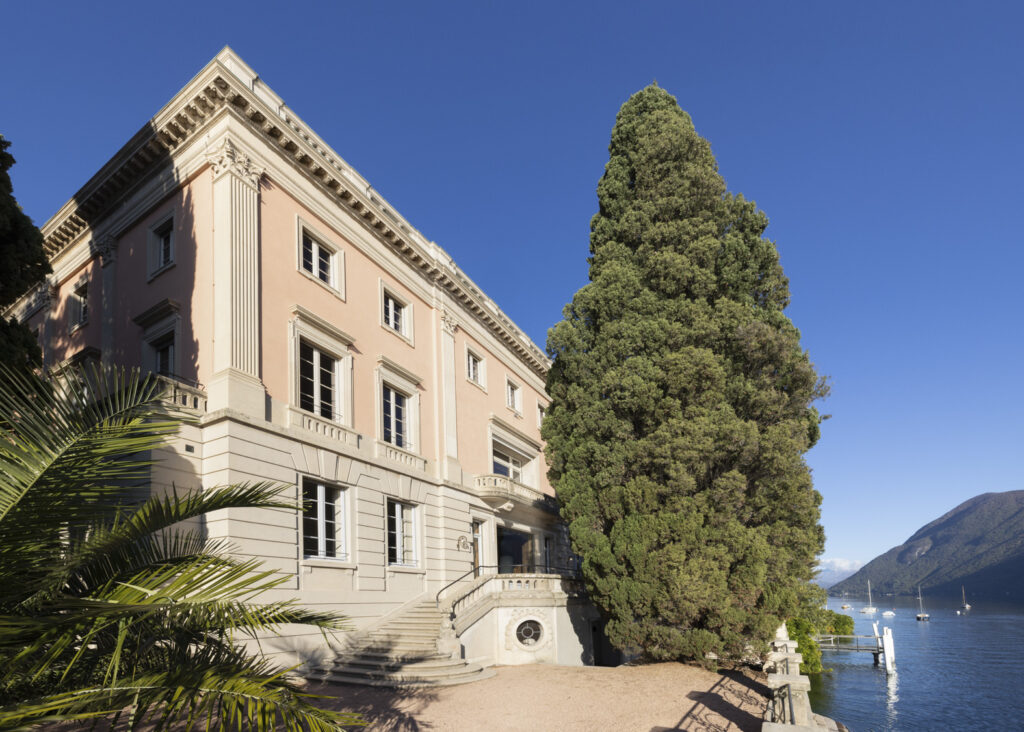
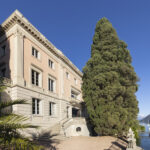
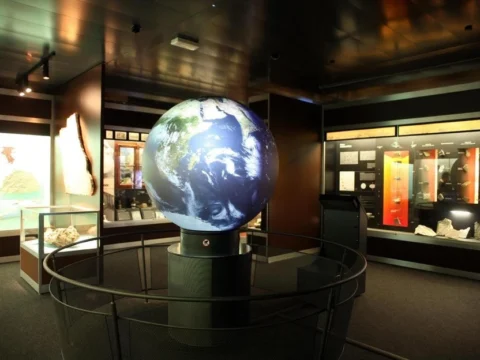
 The Prix Museum 2026 awarded by the Swiss Academy of Natural Sciences (SCNAT) comes to Ticino in recognition of an activity that over the years has assumed much broader dimensions than just museum exhibitions: it is the Cantonal Museum of Natural History of Lugano, awarded for the quality and continuity of the work developed in the field of natural sciences. The jury highlighted in particular the the institution's ability to combine research, conservation, documentation, dissemination and relationship with the local area, maintaining a varied offering despite limited staff and resources.
A centre of excellence for natural sciences
The museum's primary focus is research on the Canton's biological and geological heritage. These studies are conducted directly or through collaborations with other institutions , and produce scientific publications, meetings, and initiatives aimed at disseminating knowledge.
This work contributes to defining the museum's role as a cantonal center of expertise for the natural sciences. This activity remains largely out of the public eye, yet it constitutes an essential component of the institution's mission.
Alongside research, the conservation of natural heritage is a key focus. The museum collects, studies, catalogs, and maintains a considerable amount of materials that represent a source of information for scholars today and for those of future generations.
 Nearly half a million artifacts
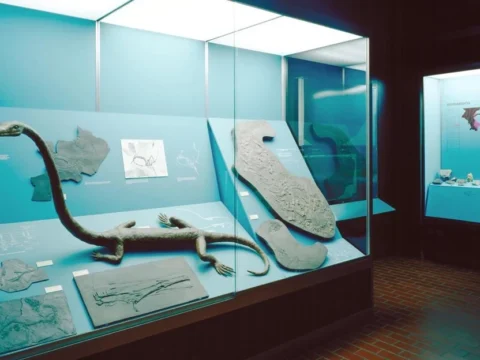
Among the factors that contributed to SCNAT's positive assessment were the collections themselves. The Cantonal Museum of Natural History has nearly half a million artifacts and maintains a collection listed in the Swiss Inventory of Cultural Property of National Importance.
In addition to this endowment, there is a specialized library, which completes the institution's documentary and scientific activity.
The collections have more than just historical value. Rocks, minerals, fossils, and biodiversity-related materials provide a basis for observing changes in the landscape and for new research. Conservation thus becomes an integral part of scientific research, as well as a tool for documenting Ticino's natural heritage.
A responsibility that also concerns the territory
The museum also carries out a specific task related to cantonal legislation on the research and collection of rocks, minerals and fossils.
This is a lesser-known function compared to visitor-oriented activities, but it's significant for understanding the institution's position within the cantonal system. The museum sits at the intersection of scientific knowledge, heritage protection, and information management related to the region.
Its work is therefore not limited to exhibition spaces. A significant part of its work involves what is collected, studied, preserved, and made available to the scientific community.
From research to dissemination
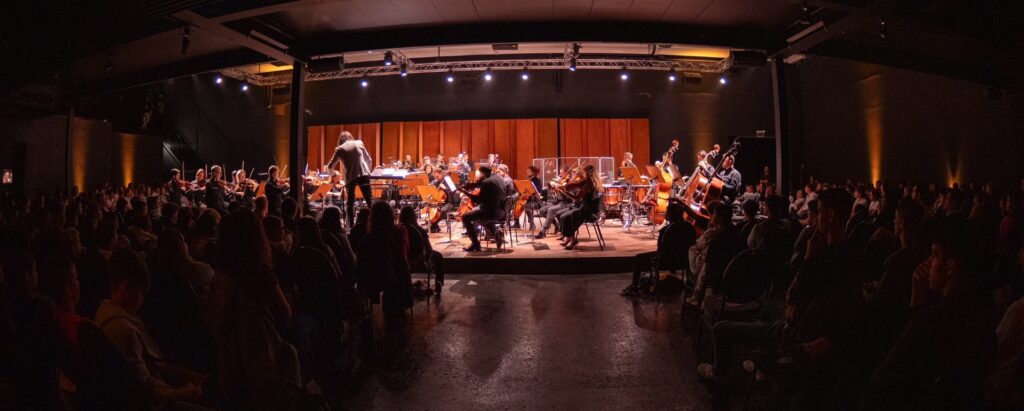
The relationship with the public is another important component of the museum's activity. The knowledge generated through research is transformed into opportunities for dissemination aimed at people of widely varying levels of knowledge.
Throughout the year, the program includes courses, conferences, guided tours, initiatives for families and schools, themed days on biodiversity, and activities related to the exhibitions. These are complemented by digital tools such as podcasts, videos, and educational materials.
The variety of languages used responds to a specific need: to make often complex scientific topics accessible without sacrificing the accuracy of the content.
The SCNAT jury also focused its evaluation on this balance between rigor and dissemination. The museum is indeed cited as an example of a structure capable of combining scientific expertise and openness to society.
The recognition comes before the transfer to Locarno
The Prix Museum also takes on special significance given the current state of the institution. In the coming years, the Cantonal Museum of Natural History is set to leave Lugano and move to Locarno. The stated goal is to reach its new home by 2031.
The move represents a significant step in the museum's history and should allow for a rethinking of its spaces and the organization of its various functions. The project aims to strengthen the connection between collection conservation, research, documentation, training, mediation activities, and hospitality.
The SCNAT award therefore comes at a transitional stage, when a significant portion of the work carried out in recent years is preparing to flow into a new institutional project.
«An encouragement for the next goal»
Filippo Rampazzi, director of the Cantonal Museum of Natural History, welcomed the distinction, emphasizing its value for the entire Canton and for the institution's working group.
The recognition, according to the director, also confirms the role that scientific museums can play in a period in which the relationship between human activities and the environment occupies an increasingly relevant place in public debate.
For the museum, however, the award doesn't represent a point of arrival. Rampazzi sees it above all as a stimulus for the project for its new Locarno headquarters, which he has identified as the institution's next major goal.
The jury's evaluation
In their motivations for the Prix Museum, the SCNAT jury highlighted the Ticino museum's ability to bring together activities that are often considered separately.
Research, collections, specialized expertise, scientific mediation, and local presence are instead developed as parts of a single mission. It is precisely this combination that led to the decision to award the prize to the Ticino museum.
The distinction thus takes on a national significance: it is not a single exhibition or specific initiative that is rewarded, but the overall work of a scientific and cultural institution.
How the Prix Museum works
SCNAT awards two prizes specifically dedicated to the museum sector. The Prix Museum is intended to recognize particularly significant overall performance by a museum or other institution active in the field of natural sciences.
The second award is the Prix Expo , which is instead intended for the best natural science exhibition held in Switzerland.
The award procedures vary. The Prix Museum is awarded every three years, at the discretion of the jury and without a competition. The Prix Expo, on the other hand, is awarded annually through a competitive procedure.
Both awards include a prize of 10,000 francs.
For the Lugano Cantonal Museum of Natural History, the Prix Museum 2026 is both a recognition of the work it has built over time and a stepping stone to the next phase. The prospect of its relocation to Locarno in 2031 adds a further element to the award: a positive assessment of the work accomplished, just as the institution prepares to redefine its spaces and operating procedures.
The result is a photograph of a museum that, alongside its more visible public function, continues to carry out a scientific and conservative activity closely linked to the knowledge of the Ticino region.