
 82 titles, 19 productions and co-productions, 165 curtain raisers: the 2026/27 performing arts season features a program that ranges from theater and dance to musicals and new formats. Dance dialogues with music, and theater enters the Museum's exhibition spaces. Structured around the main focus: Incivility and in various thematic itineraries, the season takes an important look at the Swiss and international scene.
Violence at the origins of democracy
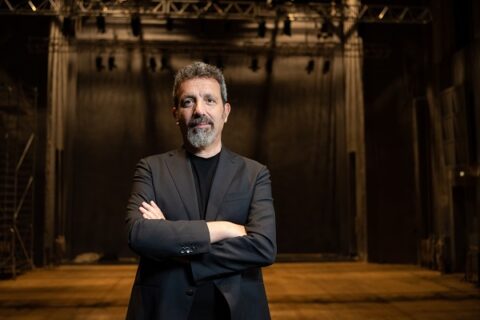
The theoretical and symbolic core of the season is represented by Oresteia – Part I / Mythos, Part II / Logos , a new LAC production directed by Carmelo Rifici, premiering from January 15th to 17th. The only trilogy of classical Greek literature to have survived in its entirety is reinterpreted not as a monument to tradition, but as a text still capable of posing radical questions about the origins of justice and Western democracy.
Consisting of Agamemnon , The Libation Bearers , and The Eumenides , Aeschylus's work narrates the transition from private vengeance to public judgment. Rifici focuses his interpretation on a disturbing hypothesis: democracy was born not from a desire for peace, but from the need to regulate a violence considered ineradicable. The polis, therefore, was not the opposite of barbarism, but rather its most advanced and controllable transformation.
 The trilogy thus becomes the tale of a foundational trauma. Agamemnon, returning victorious from Troy, is killed by Clytemnestra and Aegisthus; Orestes, recognized by Electra as an avenger and bringer of justice, is called upon to restore order through a new crime: the murder of his mother. Each action responds to a previous sin, in a chain in which justice and vengeance seem to coincide.
The first part, Mythos , opens with Agamemnon and ends with the first lament of the Choephori . It seeks to decipher, in the story of the murder of Agamemnon and Cassandra by Clytemnestra and Aegisthus, and in Electra's recognition of her brother Orestes as the sole avenger, the bearer of justice, a foundational trauma of Western civilization. In this world, made up primarily of underworld gods, the dead do not die unless avenged. Here, violence is regulated by the justice of vengeance. The first pillar of Western society is built on this certainty, and the first part of the tragedy ends on this evidence.
The second part, Logos , begins with Orestes and Pylades and their fate as the murderers of Clytemnestra; it opens with the matricide and ends with the Athenian tribunal, where Orestes's trial ends with his acquittal, thanks to Apollo's intercession, but above all to Athena's strategy. We leave the shores of myth to enter the realm of human history; Orestes's acquittal marks the birth of Western democracy, which rests its foundation on the murder of a Great Mother. Democracy is not born of peace but of regulated violence: the polis does not eliminate barbarism, it transforms it. Logos does not resolve, but rather containment of archaic force.
 The scene questions the present
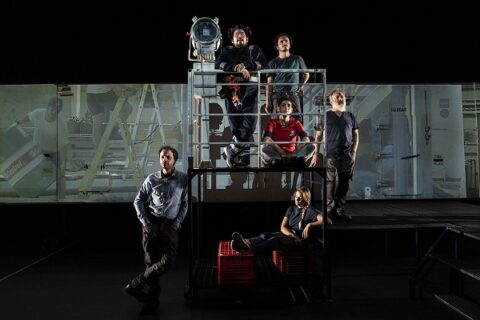
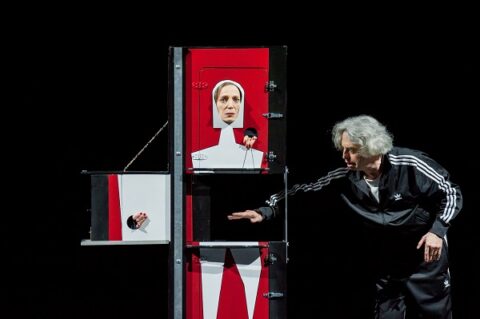
Around this core, performances addressing conflict, memory, and responsibility develop. Il prodigio (The Prodigy) , an adaptation of Fabrizio Sinisi's novel directed by Giacomo Bisordi, Guerra civile (Civil War ), directed by Andrea De Rosa, and A Place of Safety. Viaggio nel Mediterraneo centrale (A Place of Safety. A Journey in the Central Mediterranean) by the Kepler-452 collective observe the fractures of the present from different perspectives. The latter, born from the experience aboard the Sea-Watch 5 ship, brings to the stage the themes of migration, safety, and borders.
Recent Italian memory is at the center of Anni Settanta. Terrore e diritti (The Seventies. Terror and Rights) , starring Mario Calabresi, Benedetta Tobagi, Marco Damilano, and Sara Poma, while Stato contro Nolan (A Quiet Place) by Stefano Massini reflects on the relationship between information, power, and public responsibility.
LAC's production commitment remains significant, with titles such as An Ideal Husband by Oscar Wilde, directed by Francesco Frongia and Ferdinando Bruni, Six Characters in Search of an Author , again directed by Carmelo Rifici, The Strange Case of Dr. Jekyll and Mr. Hyde, read by Fabio Condemi, and Saturday, Sunday and Monday by Eduardo De Filippo, entrusted to Luca De Fusco.
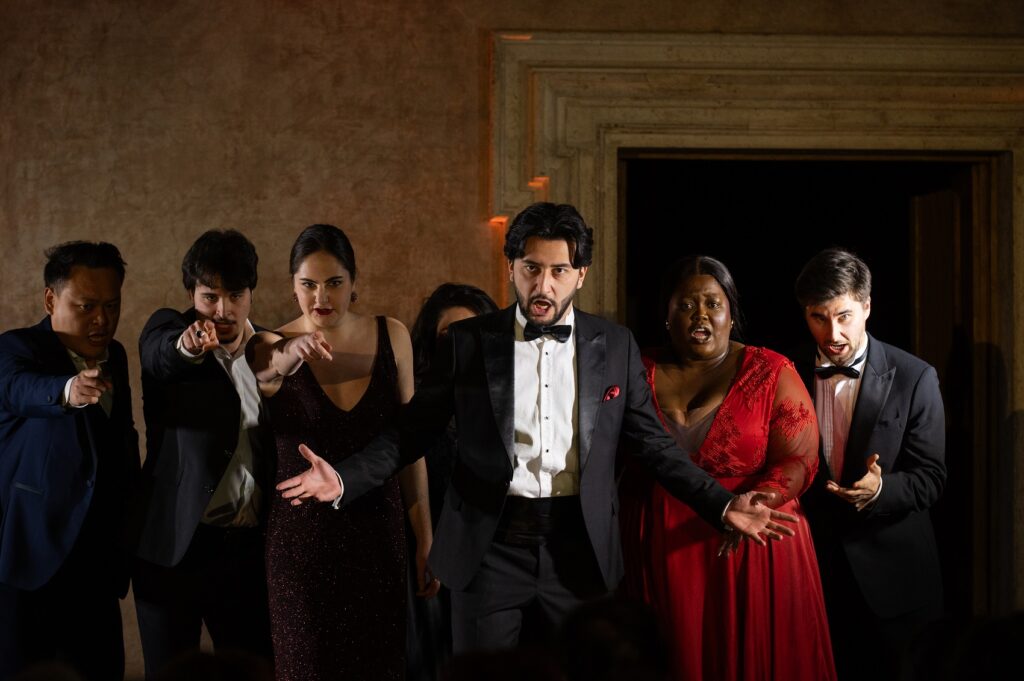
Prose stars include Stefano Accorsi in No One. The Adventures of Ulysses , directed by Daniele Finzi Pasca; Gabriele Lavia in After the Test , inspired by Ingmar Bergman; and Silvio Orlando in The Bell Cap by Luigi Pirandello. Alongside them, Sonia Bergamasco, Tindaro Granata, and Christian La Rosa confirm the program's focus on performers capable of combining rigor and popularity.
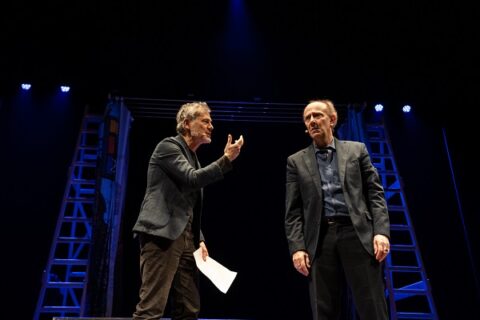
A solo exhibition is dedicated to Romeo Castellucci, presenting Faust. Fatto, non detto (Fact, Not Said ), a lecture, and the site-specific performance Credere alle Maschere (Believe in the Masks) at MASI Lugano. The exhibition concludes with a screening of the documentary Theatron. Romeo Castellucci.
 Bodies, identities and new languages
The Swiss scene occupies a significant place. The Extra Time Plus project brings together emerging young artists, while Elena Boillat, Simon Waldovogel, and Carlotta Viscovo present works dedicated to identity, memory, and autobiography.
The program "The Healing Body" explores the relationship between art, fragility, and transformation. It includes "Tamdom" by Bianca Berger, inspired by mathematical models related to Alzheimer's; " Can Can ," born from the experience of performer Irene Mantova; " Cuna" by Giuseppe Comuniello, built around acceptance and sensory perception; "Madri," directed by Alice Sinigaglia, a tense dialogue between mother and child that explores the fragility of family bonds; " La donna si cura (kills the party ) ," a show that explores the sexism with which medicine treats the female body; and " Graces," a performance by choreographer Silvia Gribaudi that pays homage to the poetic value of imperfection.
Classical Queers , which imagines encounters with figures such as Freddie Mercury and Pyotr Ilyich Tchaikovsky, Per sempre , inspired by the correspondence between Giovanni Testori and Alain Toubas, and Oracola by Elena Boillat, a reflection on the voice and the construction of the self, look at questions of identity and gender.
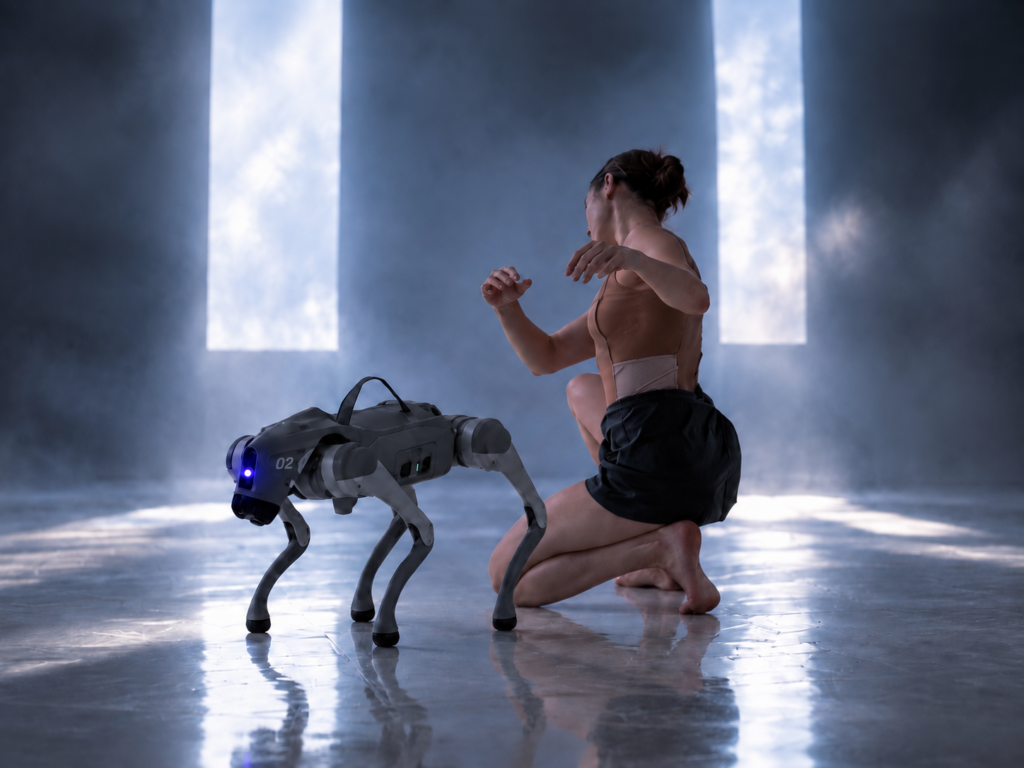
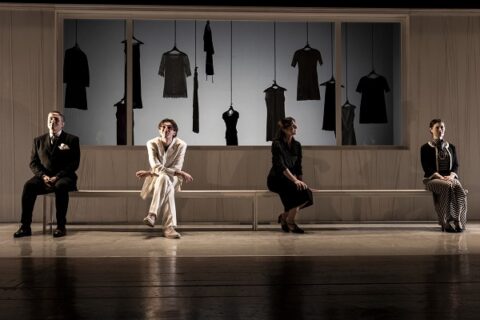 International dance brings to the LAC Christos Papadopoulos, Angelin Preljocaj, the Nederlands Dans Theater 2, the Dresden Frankfurt Dance Company and the Croatian National Theatre in Zagreb with The fire bird and Petrushka. Among the most famous choreographers in Switzerland, Cindy Van Acker will be at LAC with her new work, Pléïades, in absentia. LAC production also returns Nutcracker in the choreographic reinterpretation by Mauro Bigonzetti.
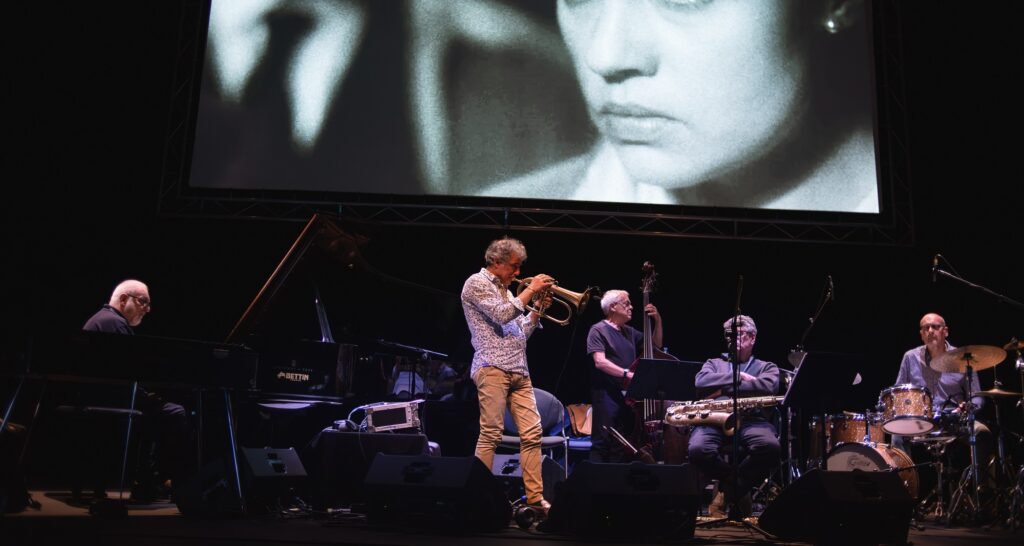
The musical program welcomes Fiorella Mannoia, Arisa, Massimo Ranieri ei Nomadi, Marco Masini, and the explosive show STOMP while the musical is represented by Chicago , Belle and the Beast – The Musical and Cinderella – The Musical.