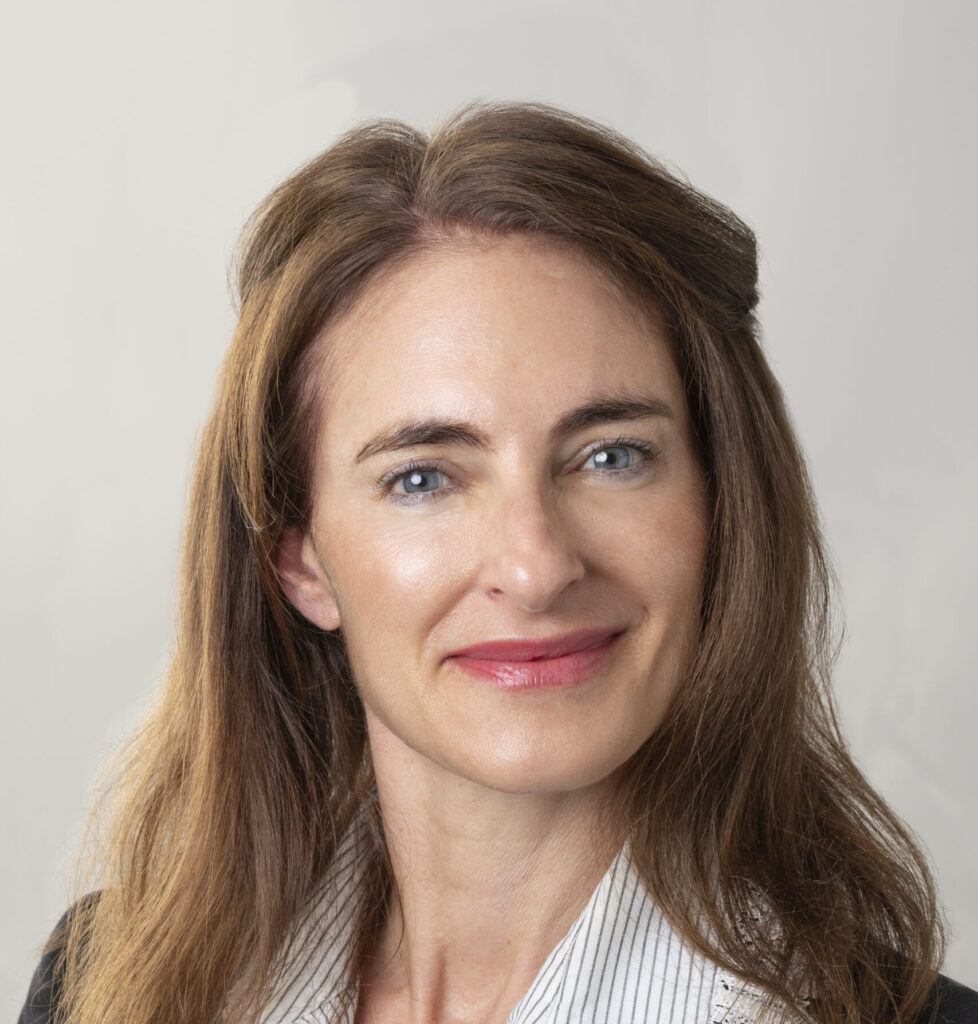

 «We are really very happy with this recognition», begins Gianvito Grasso before talking to us about drugs and artificial intelligence, «not only for the prize of 40.000 CHF, the scholarship for the Executive MBA of the University of Italian Switzerland and the other benefits provided, but for the entire path taken in the previous months with Fondazione Agire and with the coaching activities that proved to be very useful for the final development of our project; last but not least, for the opportunity offered to us to come into direct contact with an entrepreneurial and financial world that is attentive and available towards innovative startups active in Ticino. A victory celebrated together with Stefano Muscat and Sertac Yeltekin, Chief Operating Officer, with whom I have shared all the phases of the realization of our project and the establishment of InVirtuoLabs from the beginning».
But what is the added value of this innovative tool that can provide rapid and in-depth assessments of molecular properties, allowing researchers to make data-driven decisions in the early stages of the drug design process? "The concept is quite simple to explain in theory," Gianvito continues with amusement, "but much more complex to apply in practice. In short, we have tried to profoundly innovate the process that leads to the discovery of new drugs by integrating generative artificial intelligence with molecular simulations. Our platform combines advanced machine learning techniques, including multimodal learning, active learning and generative chemistry, with physics-based simulations to explore vast chemical spaces with unprecedented efficiency and, above all, with a speed previously unknown. By exploiting this powerful synergy, we are able to rapidly identify and optimize promising drug candidates, significantly accelerating the path from concept to therapies that can potentially change the lives of patients. I would like to point out that, according to accredited studies, molecules developed through Artificial Intelligence have a probability of success double that of the industry average. Our high rate of innovation is therefore perfectly functional to the needs of pharmaceutical industries which, due to their structure and strategy, tend to delegate some phases of the discovery of new drugs outside their laboratories".
 At this point it is natural to ask how, and in what context, the idea of developing this platform for the identification of promising therapeutic compounds was born, improving the overall efficiency of drug discovery, thus paving the way for a faster development of innovative treatments. «Stefano and I», continues Gianvito Grasso, «met at the Polytechnic of Turin, where we both studied: I have a degree in Biomedical Engineering and a PhD in Computational Sciences. I then worked for over 10 years as a researcher in the field of molecular simulations and machine learning, participating as a Principal Investigator in several national and international research projects. In particular, I would like to mention the research activity, and now as a teacher, at the Dalle Molle Institute for Artificial Intelligence Studies (IDSIA USI – SUPSI) which, as is known, constitutes absolute excellence in the field». "I too," Stefano Muscat intervenes, "have gained significant experience in the integration of advanced molecular simulations for drug design applications. Sertac Yeltekin, our COO, has perfectly integrated our team thanks to his thirty-year international experience as a manager in the corporate and consulting universe, being also an expert in venture building as an investor, founder and ecosystem builder. In our structure, located at USI Startup Centre, we currently have 4 employees, in addition to a team of over 10 people gravitating around the project.".
Looking to the future, what are your development prospects? "We have just concluded an important financing round of 2.85 million euros and our immediate goal is to complete our research on nuclear receptors, which represents our project in the most advanced stage of development, and at the same time complete the strengthening of our technological structure. I must say" – concludes Gianvito Grasso – "that in the development of our business model, which is that of a biotech company, we are greatly advantaged by the fact that we participate in an ecosystem such as the Ticino biomedical one, which allows us to create important relationships and synergies with pharmaceutical companies that are particularly attentive and receptive in intercepting what is innovative that is being designed and built in our territory".