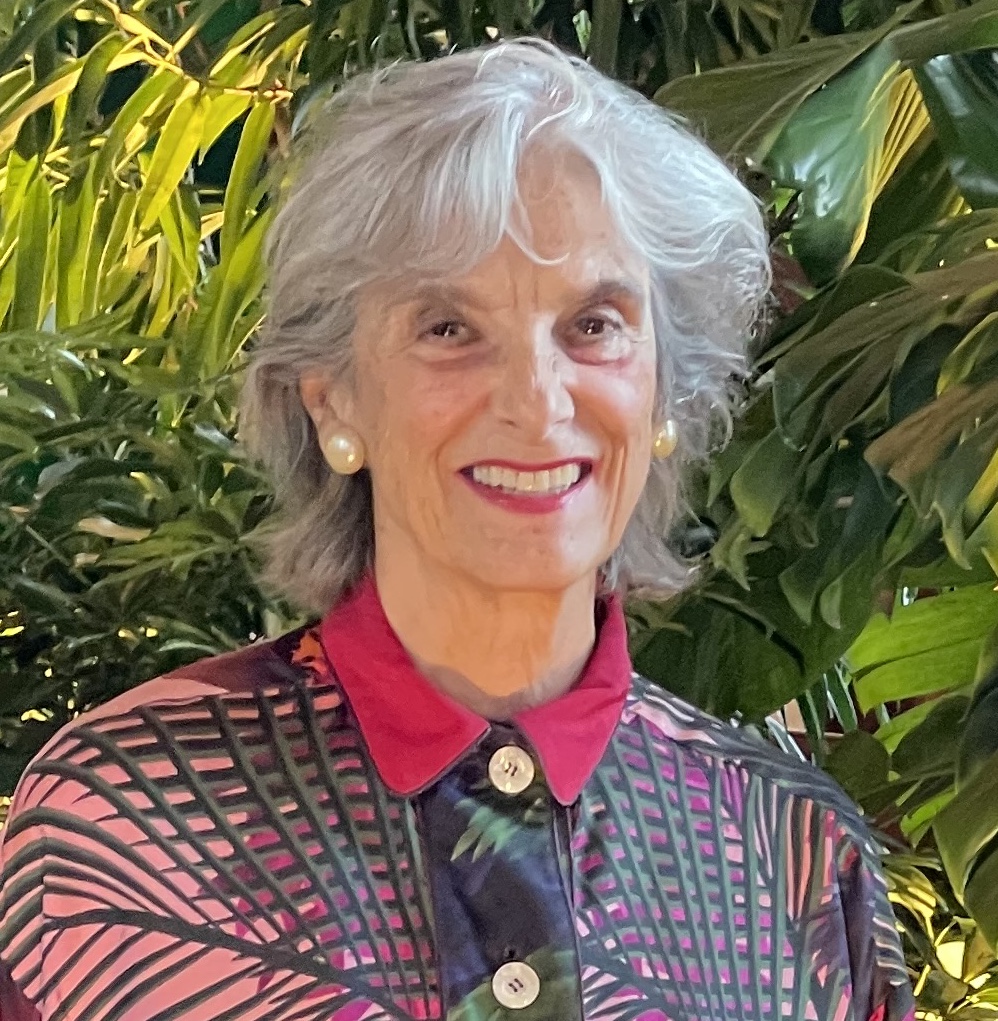

 Claudia Zorloni, before talking about your social commitment, how would you introduce yourself and what aspects of your personal history do you consider important?
I consider myself an active and enthusiastic woman who loves life, people, and work. The pleasure of giving, of offering without expecting a thank you, and the joy of receiving have always given meaning to my life. This is why I chose the hospitality industry, which requires and allows for authentic connection with others. In hospitality, care and attention to individual needs are essential values.
In your life journey, is there anyone you consider a mentor, even if you never considered yourself one, and who has influenced the way you look at others and the world?
Since childhood, during our family trips to India, I have seen in Mother Teresa of Calcutta an unsurpassed model of dedication to others, especially the less fortunate. In my daily life, however, I have constantly absorbed my mother's powerful example. With unwavering dedication, she always went out of her way to support those she perceived to be in need, not only financially, but also by dedicating the time necessary to listen, to make a phone call, and to offer a gesture of support.
When you think of the word generosity, what is the first concrete gesture, small or large, that spontaneously comes to mind?
A smile, a heartfelt greeting, a pat on the back, a sincere hug—for me, these are gestures of pure generosity. But the most effective kindness manifests itself in supporting each person on their journey of inner and social growth, with a view to full self-realization. Autonomy, competence, relationships: to live intensely and remain human, we all need to explore our talents, achieve goals, share dreams, projects, feelings, reflections, and experience the joy of encounters.
Philanthropy isn't just about big initiatives, but also about everyday choices. What's an example of simple, concrete philanthropy that has deeply inspired you?
Love for others, solidarity, and care for humanity always imply a practical commitment; otherwise, they remain mere intentions. While charity can address a temporary emergency, philanthropy requires targeted strategies and structured, long-term initiatives to contain, prevent, and eliminate the root causes of social problems through long-term investments of energy, labor, and money. But the results, always exceeding expectations, are exhilaratingly rewarding for both those who give and those who receive help.
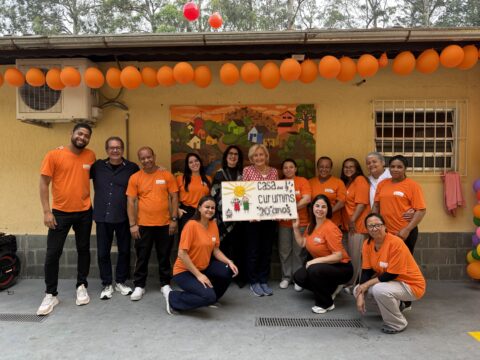
The life choice of my friends Adriana and Alberto Eisenhardt, whom I've known for 35 years, to actively care for children and young people in Brazil's favelas is, for me, the best example of social solidarity, of a daily dedication that translates into human enrichment, a light for the future. I've therefore become passionate about their project, supporting the various initiatives of Casa dos Curumins.
Looking back on your personal journey, what moment made you realize that supporting others would be part of your way of life?
"When I was a child, I found joy and happiness in sharing my possessions and experiences with others: I have always loved the people I came into contact with. For me, therefore, there was no specific moment of awareness of various social realities, but rather a continuous evolution, matured over the years, of a sense of belonging to humanity, especially that which is deprived and suffering. Now I live in the happy and grateful knowledge that acting altruistically at every opportunity, opening horizons of hope for those who lack the tools for their own survival, makes existence more meaningful and emotional bonds deeper."
The Casa dos Curumins association works in La Pedreira, one of the most vulnerable areas of São Paulo. How would you describe what this home means to the children, youth, and families who frequent it?
From a human perspective, it's a valuable point of reference for a radical change of direction, offering a concrete opportunity for redemption from degradation and poverty for a growing number of vulnerable people who, over the years, have truly found a "home"—love, nourishment, care, education, and the opportunity to express themselves, grow, emancipate themselves, and thrive in life. For those who believed in this challenge from the beginning, forging effective synergies to offer protection from violence and abandonment, support, education, and, above all, trust and love, the Home represents confirmation that we must constantly and passionately invest in the enormous potential each person can develop to become the protagonist of their own existence and thus contribute to the well-being of society.
During the twentieth anniversary celebration, at your hotel in Villa Castagnola, stories were shared of young people who, thanks to the project, became engineers, dentists, nurses, or musicians. Which stories touched you most?
Welcoming, engaging, and guiding children, adolescents, and young people—but also the elderly, entire families, and communities—toward a better quality of life through opportunities for educational, cultural, artistic, sporting, and human change: two decades later, the result of the founders' consistent efforts and the growing participation of supporters is evident in the inspiring mosaic of life stories and personal and social redemption.
The House, its workshops, its programs, and its living spaces have transformed the hopelessness of children left to their own devices and young people growing up on dusty streets and dilapidated houses into professional and relational achievements that have enabled them to found new families with a dignified and secure future outside the favela.
All the testimonies shared by the protagonists deeply moved me: having supported the project from the beginning and hosted initiatives, presentations, and works by the children, Villa Castagnola became the meeting point between two seemingly distant worlds, yet united by an active hope and mutual trust in humanity.
Atelier Pipilù has helped many young people discover talents and build a brighter future. How, in your opinion, can creativity become a tool for redemption even in challenging environments?
The Atelier Pipilù at Casa dos Curumins is a social artistic project. Its primary mission is to offer a comprehensive human development through artistic education and quality instruction. It truly enables young people to overcome hardship, marginalization, and poverty, discovering their abilities and fully realizing them throughout life. These are necessary and necessary initiatives for true social transformation, which renew the world.
For example, the success of the band that performed on stage at the Lugano Jazz Festival was deeply gratifying for students and teachers. Many young people find music a profession, others a chance for expression and sharing, and all are a life experience.
Creativity is therefore a powerful value, an immense resource, offering each person ways and spaces to express their personality and heal deep wounds. Some former students recount how the manual skills practiced in the workshops qualified them as window dressers in large stores in São Paulo, while others exhibit in group shows or, thanks to targeted scholarships, attend fine arts universities that would otherwise be inaccessible.
Atelier Pipilu, the artistic laboratory founded in 2019, therefore represents a winning model for valorizing individual creativity, encouraging the desire to live and share with others the sense and taste of beauty and style."
Casa dos Curumins serves hundreds of children, adolescents, and seniors every year. Which aspects of the project do you consider most urgent to support today, and what hopes do you have for the future of the La Pedreira community?
First and foremost, it's essential to ensure the continuity of a commitment that rewards with excellent results: the founders' family initiative paved the way for a true solidarity venture that has consolidated over the years between our Swiss and Brazilian communities. The numbers speak for themselves: over 600 children and adolescents are supported each year through projects in education, music, art, culture, and sports, while more than 100 seniors are involved in social and leisure programs.
The project was born from a deeply human gesture and lives on thanks to personal connections. What role do you think spirituality plays in the way we approach philanthropy and support a community so geographically distant, yet so close in values?
According to Adriana and Alberto Eisenhardt, a supportive community like the Casa "lives thanks to bonds, to people who believe that even beauty—in places, gestures, colors—can be a social act." Dedication to such a noble and humane cause can only draw inexhaustible impetus from the evangelical and universal truth: the words of Jesus, "I was hungry and you gave me food," embodied in the comprehensive care and attention to the little ones, become nourishment and life for all.