
Throughout your career, you have repeatedly supported artists, artists, and institutions with critical texts and curatorial projects. What role can cultural philanthropy play today in strengthening and making this intellectual commitment more visible?
Cultural philanthropy, supported by curiosity, expertise, intuition, a propensity for risk, and a sense of social responsibility, is particularly necessary today as a moral practice. Unlike sponsorship, it is not primarily oriented towards market value, popularity, or media appeal. It also supports reflections on historical depths, which open new perspectives on the perception of the present.
Persuasive philanthropists are individuals who understand cultural projects and have internalized culture. For them, culture isn't just prestige, entertainment, or social adornment; it's essential to their education and their concrete actions and operations. These people practice the transformation of financial capital into cultural capital.
The joy of intellectual debate should be cultivated much more strongly in schools and the media. However, the Swiss education system is primarily geared towards pragmatism and efficiency. The humanities are increasingly marginalized, and culture is often conveyed in an offensively simplified manner. This means that the value of culture is underestimated in our affluent country. Cultural philanthropy is therefore all the more important.
The Zentrum Paul Klee Summer Academy, which you directed for many years, offered young artists and curators an intensive yet open space for research. What long-term impact can such a philanthropically supported initiative have?
The Summer Academy (2005–2016) was made possible thanks to the foresight of the then CEO of Berner Kantonalbank. When the bank was asked to contribute to the construction of the Zentrum Paul Klee, the CEO preferred to allocate the funds not to investments in steel, glass, and concrete, but to the creation of a lively and intellectual forum within the institution. Each year, together with the academic committee, I selected twelve international fellows and also invited artists, curators, and theorists to address a specific theme each August (http://sommerakademie.zpk.org). In this way, Bern was perceived as an inspiring place for reflection on contemporary phenomena. It was therefore all the more regrettable when, after ten years, the bank—under new management—modified its sponsorship program in favor of sports.
In the cultural field in particular, ongoing and stable patronage is essential for authentic cultural awareness and meaningful networks to emerge and endure."
For decades, Parkett has facilitated international dialogue between art, criticism, and institutions. How can philanthropy today support independent publications that foster such processes of cross-border exchange?
Without patrons, the art magazine Parkett could not have existed for 33 years—but neither could it have without the "self-exploitation" of its editors. Precisely in the fields of intellectual work, research, and cultural mediation, it is difficult to find supporters who are also interested in archives and interdisciplinary projects—that is, initiatives that do not produce anything immediately visible or easily communicated. Once again, the same principle applies: at all levels of society and everywhere, interest in culture must be revived through sensible strategies.
Many foundations support contemporary art. What, in your opinion, makes a foundation a truly reliable partner for artists and cultural institutions?
" Everything depends on the competence of the people who make decisions within these foundations. A foundation board must know where its weaknesses lie and who can provide competent advice. A reliable foundation is distinguished not only by the number and size of its contributions, but above all by its ability to recognize qualities, potential, and urgent needs . "
You've supported major public space projects, such as Sigmar Polke's stained-glass windows in the Grossmünster. How can philanthropy help enable works that sustainably enrich the community and public cultural heritage?
In this case, the main act of philanthropy was performed by the artist himself. As his work, with its precious agate and tourmaline slabs, became increasingly complex and therefore more expensive, the question arose as to how it could be financed. Funds donated by a patron would not have been sufficient. When Polke fell seriously ill and realized that these stained-glass windows would be his last work, he decided to donate his work—along with the precious stones used—as a legacy to the world. This generosity was also made possible by the fact that he felt supported by committed people and understood in his intentions.
Promoting female artists has always played an important role in your work. How can philanthropy contribute to making the art system more equitable—without limiting itself to symbolic gestures or superficial rhetoric about gender equality?
" Philanthropy is not about justice according to a democratic principle of distribution, but about the ability to recognize qualities, talents, and cultural needs. It is to these that justice must be done. To do so requires knowledge, experience, and intuition, not detached or bureaucratic thinking . "
You helped establish the Prix Meret Oppenheim, now one of the most important art prizes in Switzerland. What makes a philanthropically supported award truly crucial to an artist's career?
" The award represents institutional recognition of the long-standing achievements of influential figures in the fields of art, architecture, and cultural mediation. It highlights exemplary figures, motivates them, and strengthens their self-confidence . "
Many young artists rely on residencies, scholarships, and support programs. What makes a philanthropic initiative truly beneficial to their professional and personal development?
" Artists must inform themselves about all these opportunities, understand what they truly need, and at the same time remain open to serendipity. Philanthropy, for its part, should not adopt a paternalistic attitude, but sensitively grasp what deserves to emerge, what has not yet found space in the art system, and understand how it can develop significantly . "
Switzerland has a long tradition of cultural philanthropy. What aspects of this model, in your opinion, are particularly effective for promoting contemporary creativity?
It 's true: more than the state, philanthropists and sponsors support culture in our country, and this is recognized and envied internationally. However, from a historical and humanistic perspective, Switzerland has never been a great "cultural nation" like Italy or France. Today, as a direct democracy, it is strongly influenced by pragmatism. Here, people often view intellectual or non-immediately definable matters with skepticism, especially when they don't fit into the logic of efficiency or social consensus.
It is therefore important to ask ourselves how Switzerland, with its many layers and creative influences, can grow ever more into a true “cultural nation” ».
Looking to the future: What forms of collaboration between art institutions and philanthropy do you think are particularly suited to promoting research, experimentation, and innovation?
Philanthropy could further encourage and support interaction between those institutions and forces that contribute to strengthening cultural awareness in our country. Politics, and even cultural institutions, lacks operational figures with cultural visions. There are good officials, of course, but we need people who focus on education and critical thinking. And these are increasingly rare. Museums are forced to focus on visitor quotas and are lowering their ambitions. The media are reducing their cultural pages and publishing fewer and fewer in-depth articles.
There are therefore many reasons to reflect on how philanthropy can engage more proactively on behalf of culture – perhaps by directly addressing education, media and cultural policy, and putting it to the test ".
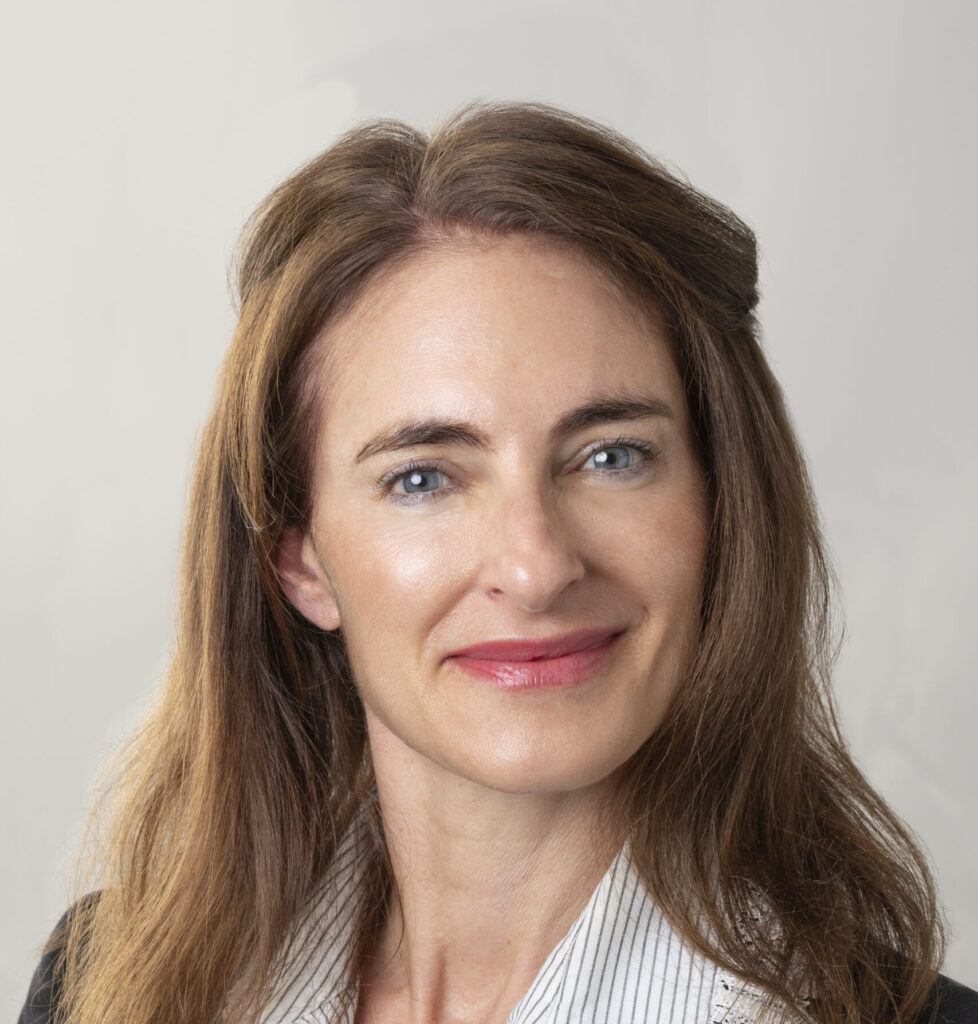
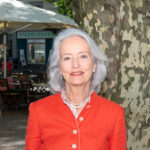
*Jacqueline Burckhardt is an art historian and curator, trained in Rome and Zurich. She was co-founder and editor of the magazine Parkett , president of the Federal Art Commission, and a professor at the Academy of Architecture in Mendrisio. She curated art projects for the Novartis Campus in Basel and directed the Summer Academy at the Zentrum Paul Klee. In 2002, she published the book La mia commedia dell'arte in German, translated into English in 2004. In the same year, she was awarded the Grand Prix Meret Oppenheim.