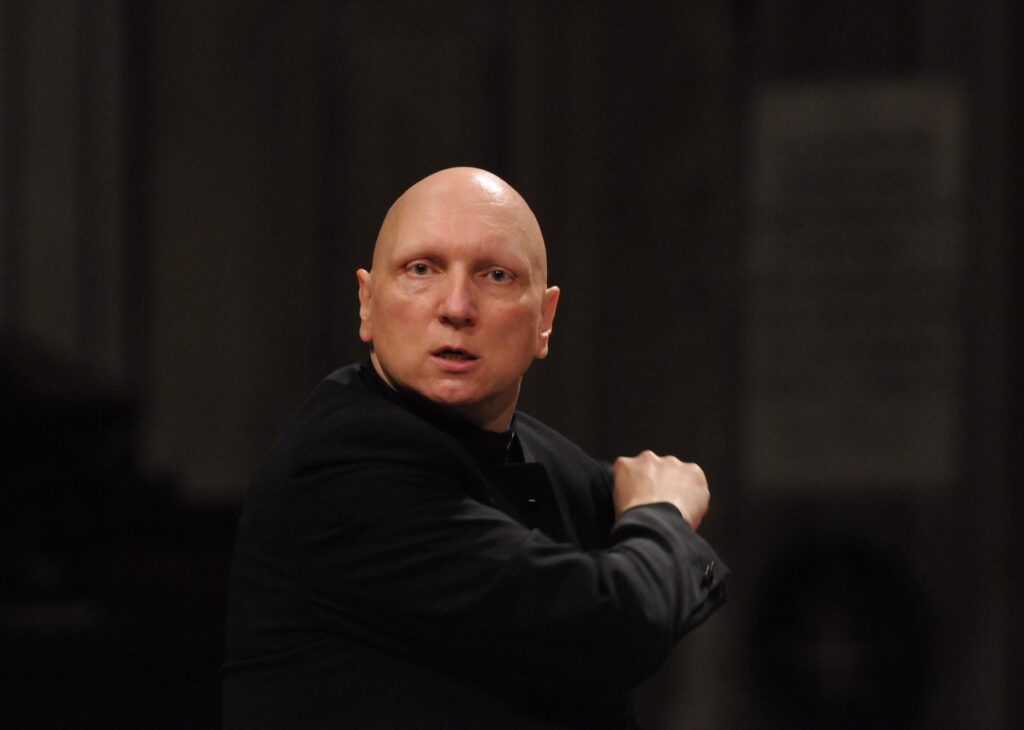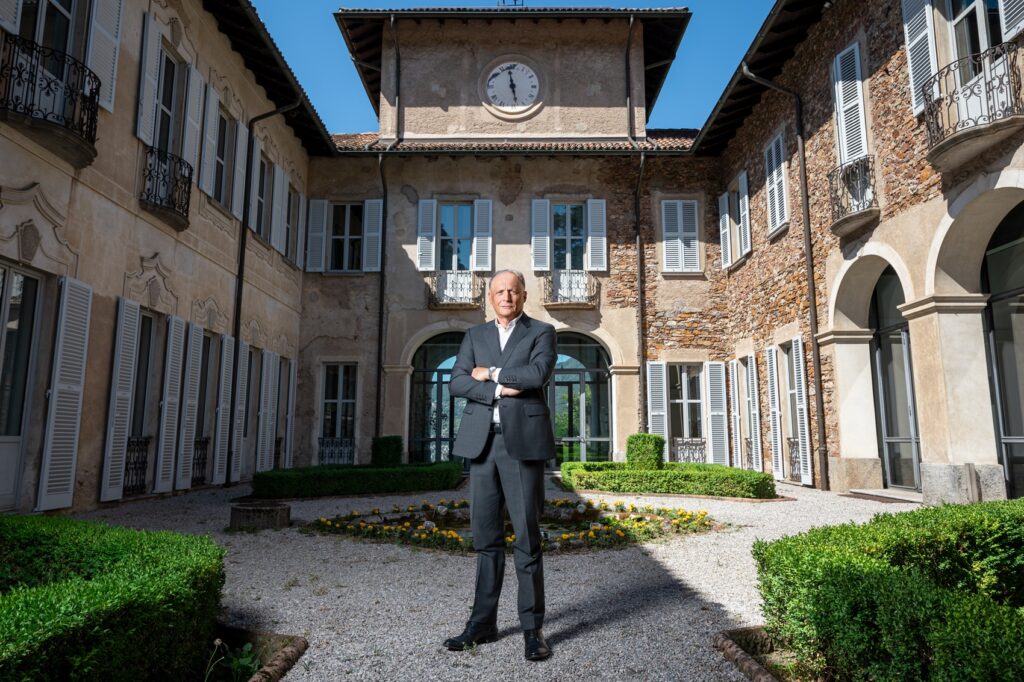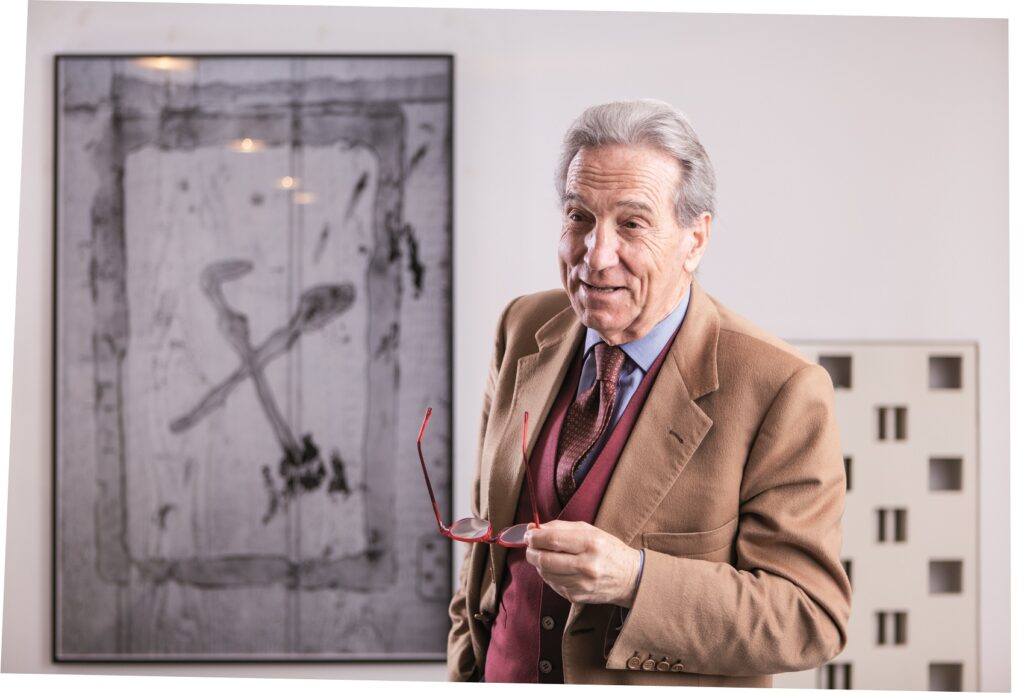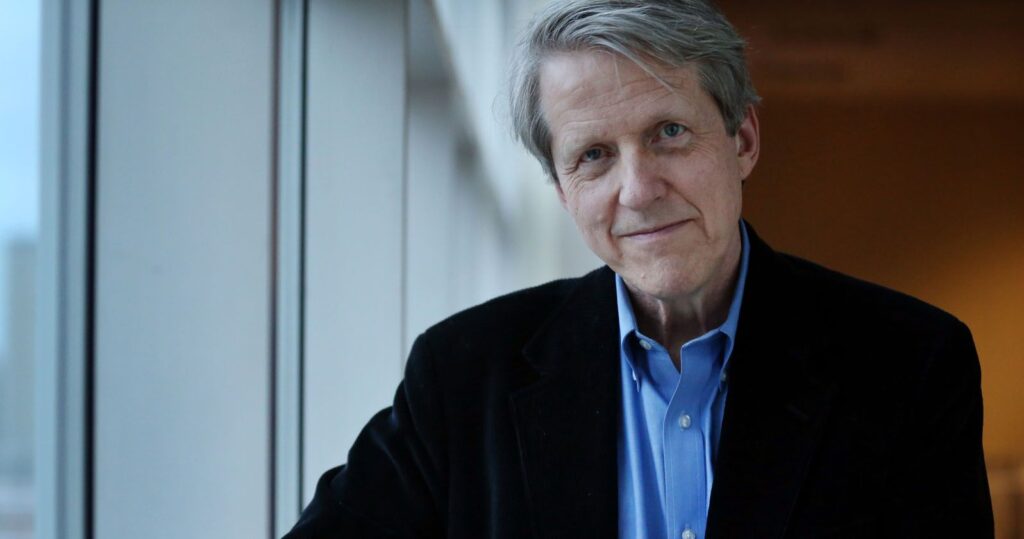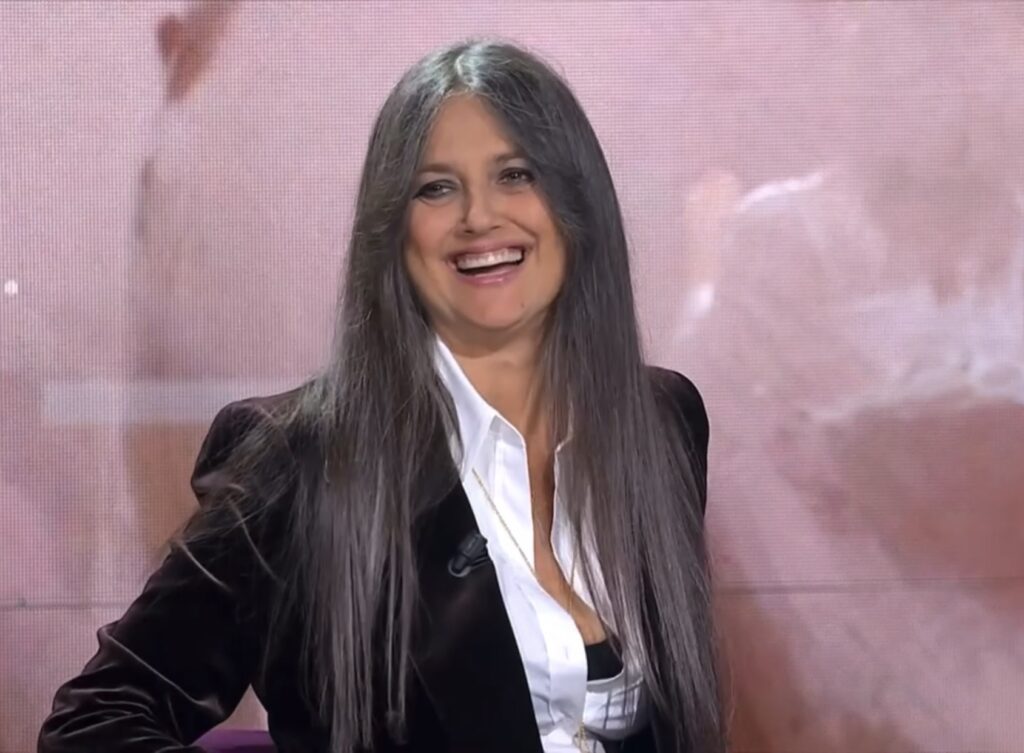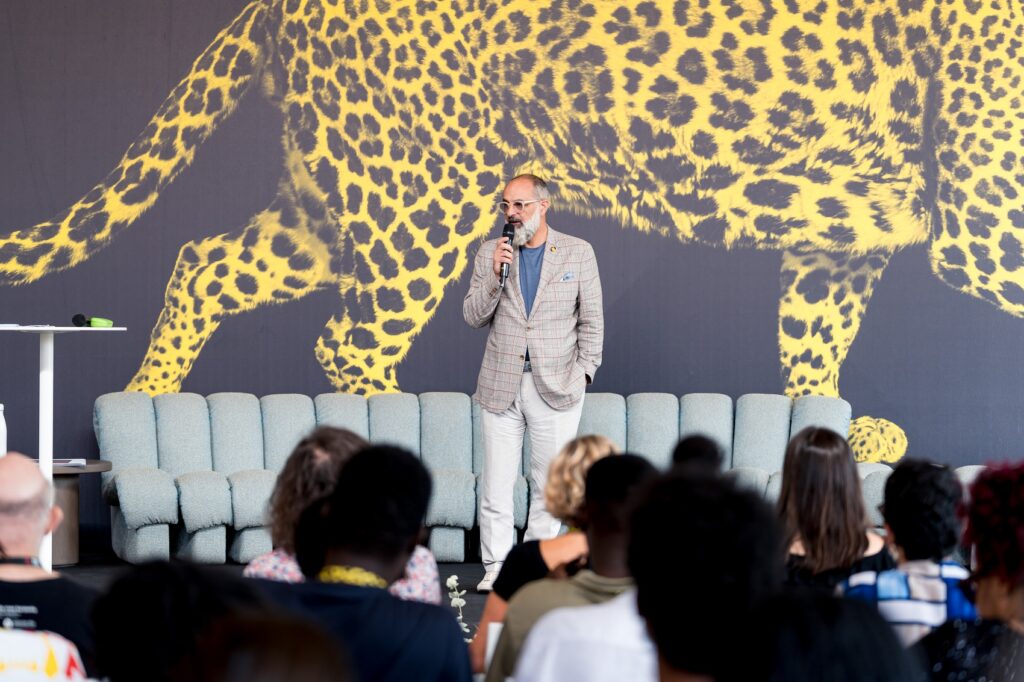

For over thirty years, Federico Moccia has occupied a place of his own in the Italian cultural landscape. A novelist, screenwriter, and television writer , he has captured the world of emotions like few others, capturing the dreams, anxieties, and hopes of multiple generations. His name is linked to novels that have become true publishing phenomena, such as Three Steps Above Heaven , I Want You, and Sorry, But I Call You Love . These books have transcended the confines of the page to become highly successful films and, above all, to create an imagery shared by millions of readers.
But to reduce Federico Moccia to a mere writer of young love would be unfair. Over the years, his writing has evolved, reflecting the rhythm of life and personal experiences. In his more recent novels, such as The Man Who Didn't Want to Love and Simply Love Me , the protagonists confront more mature feelings, deep wounds, the value of second chances, and the search for a less flashy but more authentic happiness.
Meeting after meeting, book after book, Moccia continues to question the great themes of life: love, time, family, the relationship between parents and children, the difficult task of raising children and the equally complex task of accompanying the growth of others. And it is perhaps precisely this ability to observe emotions without cynicism, with a sympathetic and curious gaze, that allows him to resonate with such diverse audiences even today.
In the following interview, Federico Moccia stands out: less interested in his public persona and more inclined to talk about himself as a father, an observer of young people, and a man who continues to believe that happiness is not a destination, but a way of living life.
You often return to Italian-speaking Switzerland. What kind of relationship have you developed with Ticino?
It's a place I love dearly. Over the years, I've presented several books here and have always found a sincere welcome. I love the way people participate in the meetings: with curiosity, with lightheartedness, but also with a great ability to listen. I've sensed a genuine interest not only in my books, but in what they tell: the feelings, human relationships, happiness and pain, which are the same in Italy as in Switzerland.
What strikes you in particular about the people of Ticino?
"The measure. They know how to be friendly without being intrusive. They know how to joke, but they also know the value of silence and listening. In my meetings in Lugano and Bern, I saw people become emotional, rediscovering memories of their lives through my words. It was very beautiful. I felt among friends: polite, intelligent, but never cold or distant."
Perhaps there is also a particular sensitivity for culture and music…
Absolutely. It's a trait I greatly admire. I've sensed a great attention to everything related to culture and the emotions it can convey. Classical music, concerts, and cultural events are part of everyday life. It's a richness that has built up over time and today represents a precious heritage. Music is also present, albeit indirectly, in my book, The Man Who Didn't Want to Love , where the protagonist, Sofia, is an extraordinary concert pianist.
You've been reporting on youth for years. Is it still your preferred vantage point today?
More so today than ever before. Because I'm the father of two children, a sixteen-year-old son and a fourteen-year-old daughter. This has changed me profoundly. Young people today amaze me: they're incredibly more mature, more informed, and more confident than we were at their age. They're digital natives, they have tools we didn't have, and they often interact with adults with astonishing ease.
Yet she also senses some risks…
"Yes. I have the impression that they grow very quickly, but they need help to reflect. It's not enough to know things: you have to learn to think about consequences, emotions, relationships. I try to do this with my children: encourage them to think, to ask questions, to go beyond appearances."
Are you in favor of limiting the use of social media and smartphones at an early age?
I think it's right to guide kids gradually. The phone can't become a babysitter. It can be an extraordinary tool for learning, but it must have limits. In our house, for example, there are times when the phone is put aside: during meals, when we watch a movie together, when we're talking. This applies to my children, but it applies to me too. I believe parents should be the first to set a good example.
Listening to her talk, it seems like her children have changed her perspective on life…
"It's true. I always say it: they are my true great success. They taught me a kind of love I didn't know before. They made me less attached to material things and more attentive to what really matters. Watching my daughter, listening to my son play the piano, watching their passions grow: all of this is a kind of happiness I never would have imagined."
Love has always been central to your books. How would you define it today?
Today, I'd say that love is, above all, presence. It's desiring another's happiness unconditionally. It's what I feel for my children, but also what I've learned to seek in life. It's a deeper feeling, less spectacular, but infinitely stronger.
And happiness?
I've always believed that happiness isn't a goal. It's a lifestyle. It's learning to recognize the beauty in the little things: a sunset, the taste of a coffee, a shared laugh, a sincere conversation. If we wait for great happiness, we risk missing out on the one we have before our eyes every day.
Is there a theme you are focusing your research and observation of the world on?
"I've been writing a book about the relationship between parents and children for some time. It's a topic I'm deeply passionate about, because it's touched me personally. I'm interested in exploring this dialogue between generations, their fragilities, their differences, but also how much they still have to teach each other."
Perhaps this is precisely the new narrative season for Federico Moccia: less tied to the adolescent loves that made him famous and more focused on the bonds that accompany us throughout life. With a more mature perspective, but with the same faith in the feelings that have always been at the heart of his narrative.