


Does the world of finance, grappling with new digital technologies, be translated into an evolution or a real revolution? Difficult to answer, given that the phenomenon is advancing at different rates according to the countries and areas, but above all considering the wide range of operational contexts involved. A multifaceted reality that will be the subject of the Lugano Banking Day, scheduled at the Palazzo dei Congressi on March 20th.
Organized by the Ticinese Banking Association (ABT) and the Department of Finance and Economy (DFE), in collaboration with the City of Lugano and the University of Italian Switzerland (USI), the international symposium aims to analyze the contexts in which technological innovation and digitalisation operate, the opportunities and challenges they pose, the possibilities for entrepreneurial development they offer, profiling Ticino as a particularly favorable center for the combination of technology and finance. All thanks to a wide range of local and international operators, from the private sector as well as from the academic world.
During the day there will be an alternation of workshops on hot topics, such as the payment systems of tomorrow, the new ways of compliance, technological collaboration such as "disruption" or improvement of services, the impact of Blockchain platforms, outsourcing of banking services, with plenary sessions and round tables. The event will host specialists alongside prominent personalities such as Sergio Ermotti, CEO of the UBS Group, Philipp Hildebrand, Vice President of BlackRock, Bob Contri, leader of Deloitte's Global Financial Services sector and Alexander Lipton, professor at the legendary Massachusetts Institute of Technology (MIT) and other prestigious institutions.
A major international event, worthy of the relevance that the topics on the agenda require. The FinTech phenomenon involves many subjects, indeed it would not be risky to say that it involves us all, from technology companies to start-ups that engage in the sector, to banks and other financial intermediaries, from customers who operate through home banking or trading. online, up to all of us users of smartphones, tablets and PCs in interacting with banks and their consultants.
In truth, the future of FinTech is not behind the fateful corner, but it is already well present in the reality of the markets: just think of the role of computerized trading, more or less High Frequency, of algorithms in asset management and asset allocation and increasingly large role of Blockchain platforms. If "money never sleeps" as Gordon Gekko states in the famous film "Wall Street", algorithms and digital platforms keep him even more awake, excite him, for better or for worse, and maybe make him dream.
Transparent, anonymous, secure, unalterable blockchain, developed on the ashes of the 2008 financial crisis that took away some confidence in traditional finance, queen of the new payment traffic, microcredit, crowdfunding and the new shared economy, in a nutshell of the new "cryptocapitalism", which has cryptocurrencies at its core, with Bitcoin in the lead. Robot-advisors who replace consultants, at least for certain customer segments, and chat-robots used in call-centers, which artificial intelligence and machine learning will make become increasingly "smart" and in line with the language and characteristics of the customer, they mean more efficiency, speed in meeting the needs of hasty customers, lower costs and fewer errors, with an impact on the labor market that is difficult to quantify.
But the challenges are many and touch sensitive issues, even without going as far as the thorny question of cryptocurrencies, a cross and a delight depending on the opinions, certainly volatile and with a dubious reputation. Global rules are required to regulate digitization, if possible. Compliance and security procedures must be made compatible, especially when certain services are outsourced and, in light of the increasingly broad privacy regulations, such as the recent European GDPR legislation, and the defense of digital identity must be protected, winning the fears and uncertainties of many potential users.
Ticino for Finance
Villa Negroni
CH - 6943 Vezia
www.ticinoforfinance.ch
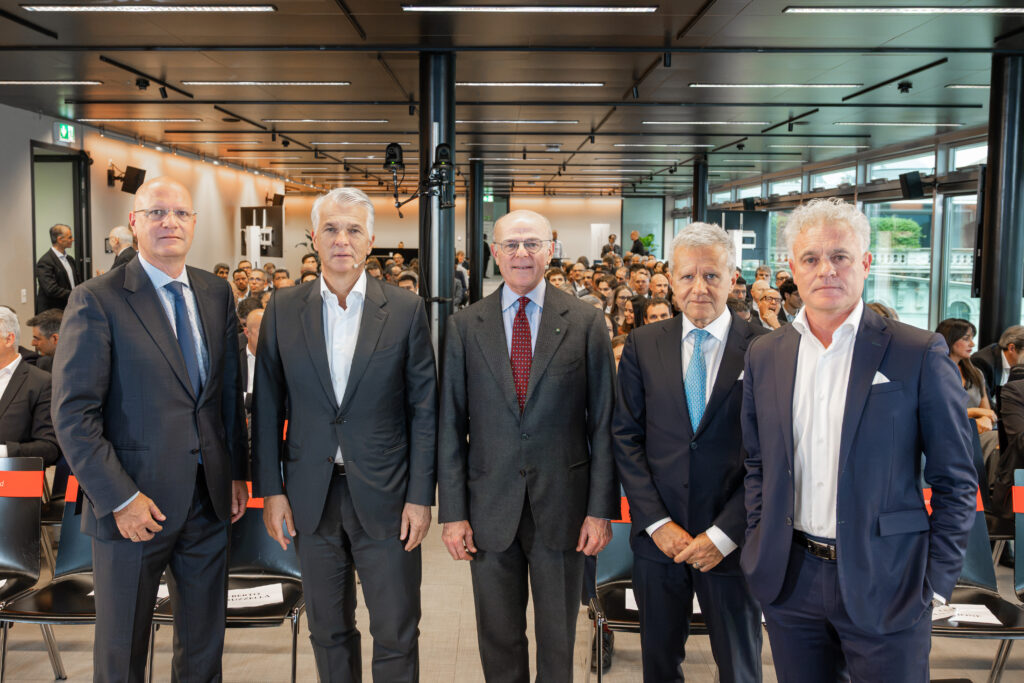





Ermotti and Greco in Lugano: The challenges of the Swiss financial center
27 October 2026

Union Bancaire Privée (Europe): The New Competition in Asset Management
27 October 2026

Pagani Trust Firm: trust, expertise, and vision
19 October 2026

Raiffeisen Colline del Ceresio Bank: a consulting bank, open to the local community.
15 October 2026

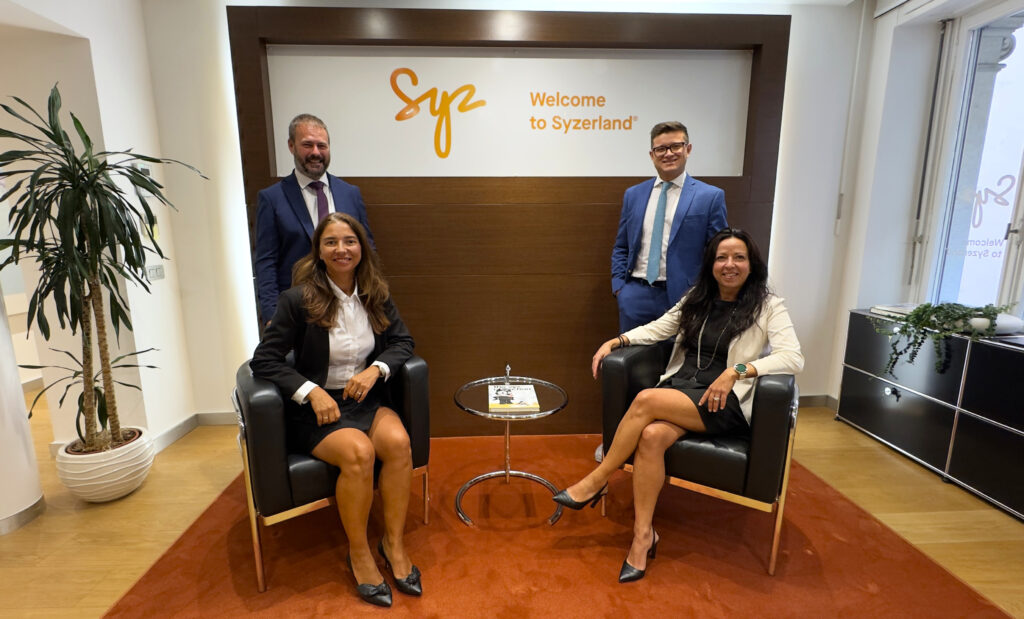
Syz Group: When the bank's interests coincide with those of its clients
09 October 2026

