For three young people from Ticino, their training in the chemical-pharmaceutical sector concluded with a special recognition.Ticino Industry Weapons (FIT) e UBS Switzerland AG they assigned the Farma Industria Ticino and UBS Award for Best Student, which this year reached its sixteenth edition.
The award is part of a long-standing relationship between the worlds of business, vocational training, and the new generations preparing to enter the job market. This area remains significant in Ticino: vocational training is one of the tools the chemical-pharmaceutical sector uses to develop skills suited to its needs.
Farma Industria Ticino itself identifies vocational training as one of its areas of activity, with initiatives aimed particularly at young people choosing career paths related to chemistry, biology, and pharmaceutical chemistry.
Three paths, three profiles
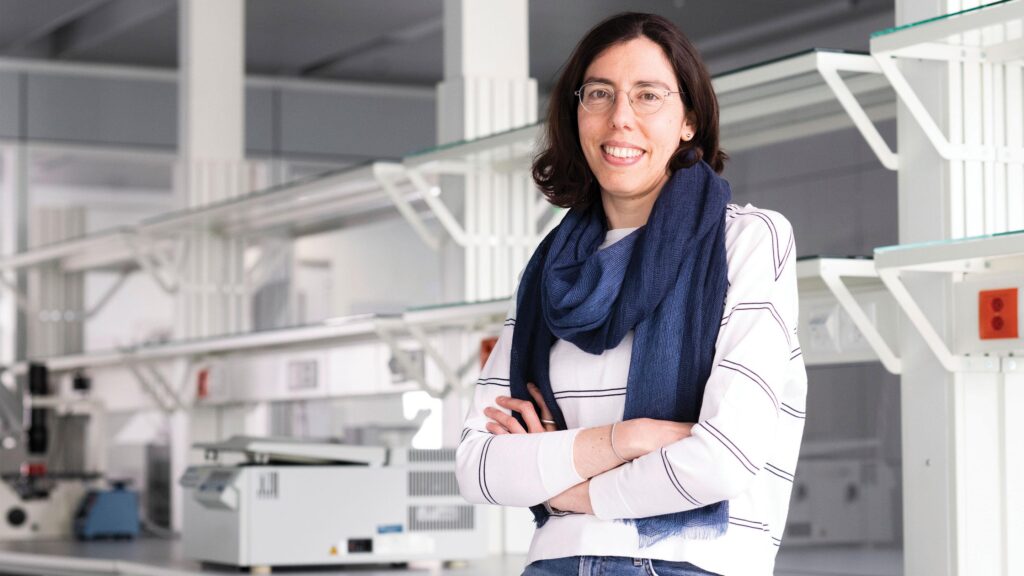
The recipients of the award were Lisa Bianchi , AFC biology laboratory technician at Alpex Pharma SA, Sara Cima , AFC chemistry laboratory technician at the Scuola D'Arti e Mestieri, and Nicola Fibbioli , AFC chemical and pharmaceutical chemistry technologist at HAS Healthcare Advanced Synthesis SA.
The selection process took into account the results achieved and the consistency demonstrated throughout the training program. UBS Switzerland AG awarded each of the three winners a prize of 1,500 francs.
Behind these three names, however, are just as many different paths. Laboratory training can develop through skills ranging from biology and chemistry to processes related to pharmaceutical production and technology. These profiles require solid theoretical preparation, but also the ability to apply what has been learned in real-world professional contexts.
It is precisely this relationship between school and industry that characterizes a significant part of pharmaceutical education in Ticino. In the dual system, learning occurs by alternating school-based education with in-company experience, with the aim of guiding young people toward obtaining the Federal Certificate of Proficiency.
 Over 220 people at the ceremony
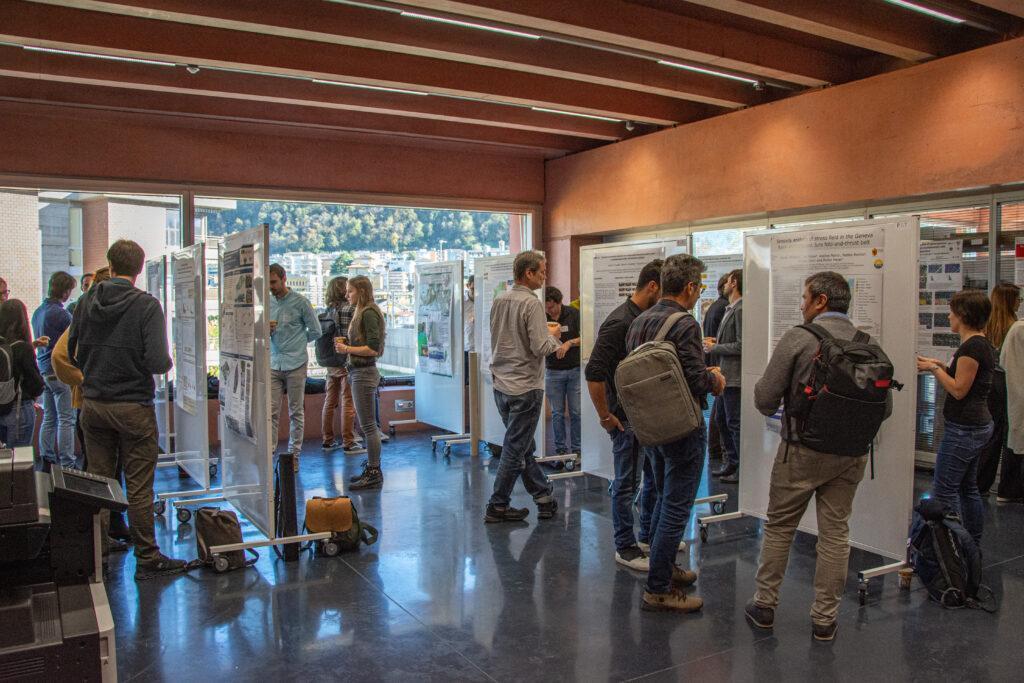
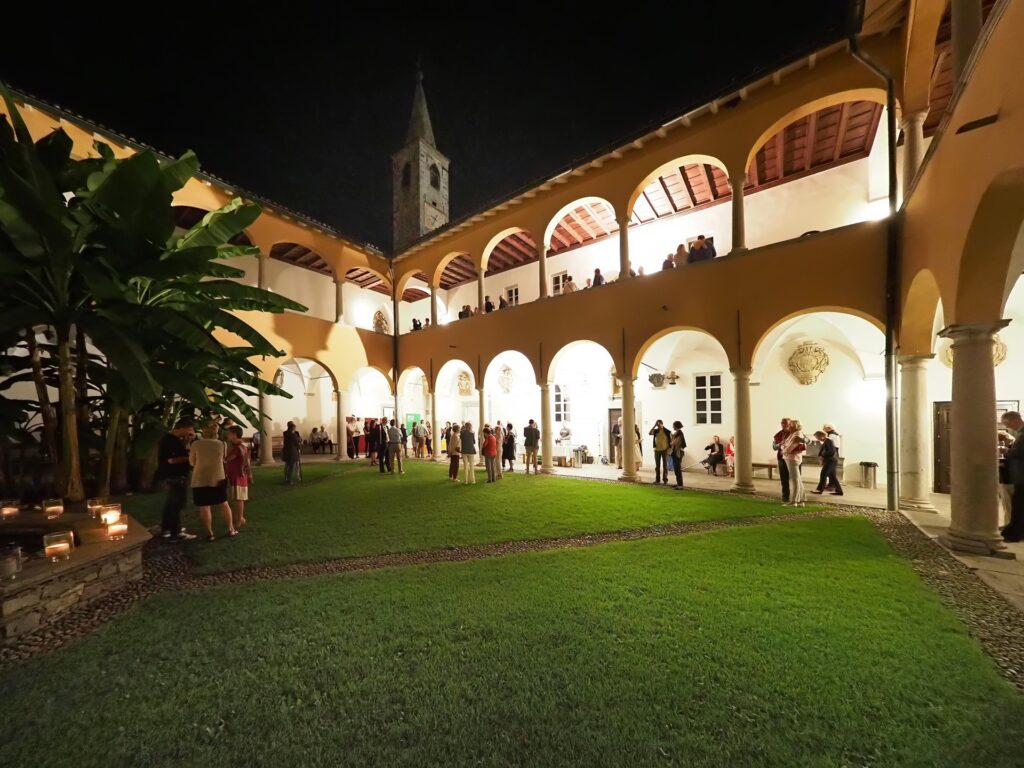
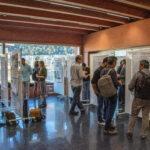
The ceremony was attended by more than 220 people, including recent graduates, family members, training companies, teachers, exam experts, and institutional representatives.
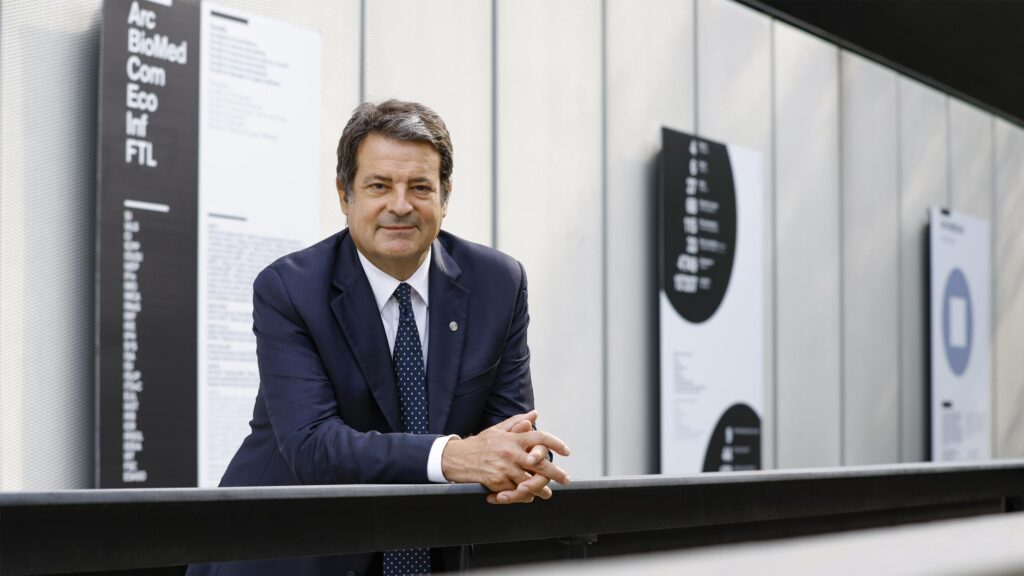
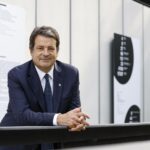
Those speaking were Piero Poli , president of Farma Industria Ticino, Oscar Gonzalez , deputy director of the Professional Training Division, Dana Rezzonico , a young fencer, and Mauro Prada , head of Corporate Clients for the Lugano Market at UBS Switzerland AG.
The presence of speakers from diverse backgrounds highlighted one of the initiative's central elements: professional training isn't just about the relationship between students and schools, but also involves companies, institutions, and professionals who can help guide the next generation.
The sector, moreover, continues to require specialized skills. Pharmaceutical industry-related activities in the area include research and development, production, quality control, analytical services, and other technical functions. Career opportunities therefore span a broad supply chain.
Curiosity as a professional skill
In his speech, Piero Poli linked the topic of training to the changes currently affecting the world of work. Technological innovation, digitalization, and artificial intelligence are transforming the tools, procedures, and skills required, even in scientific fields.
In this context, according to Poli, the knowledge acquired during studies cannot be considered a definitive point of arrival. The ability to continue learning becomes an integral part of the professional path.
Hence the invitation to young people to maintain their curiosity and, above all, their willingness to admit what they don't yet know. This perspective draws attention to a quality less easily measurable than academic achievement, but destined to have a significant impact on working life: the ability to ask questions and engage with the unknown.
This topic is particularly timely in a sector where skills are constantly being updated. Professional associations in Ticino also offer courses on technical, regulatory, and technological topics aimed at those already working in the pharmaceutical industry.
From training to work
The transition from school to work is one of the most delicate moments for those completing an apprenticeship. In the Ticino chemical-pharmaceutical sector, the presence of companies investing in training allows young people to experience activities and tools directly related to the professions for which they are preparing.
The orientation initiatives organized in recent months also confirm the interest in promoting these career paths during the school years. In June, for example, Farma Industria Ticino participated in the Open Doors event at the SPAI in Trevano, where students and families were able to learn more about the professions of chemistry laboratory assistant, biology laboratory assistant, and chemical and pharmaceutical chemistry technologist or technologist.
The interesting finding, therefore, is the connection between orientation, apprenticeships, and employment prospects. For a young person choosing their career path after compulsory education, having a concrete understanding of the activities performed in laboratories or production plants can be crucial.
The example of sport
During the evening, the theme of perseverance was also addressed through the experience of Dana Rezzonico, a young fencer.
Interviewed by Piero Poli, Rezzonico recounted her sporting journey and the role that training, consistency, and the ability to overcome challenges played in achieving her results.
The transition from the U17 to the U20 category represents a new competitive chapter for her. A change that shares elements with the moment experienced by young graduates: the conclusion of a phase does not necessarily coincide with a definitive goal, but rather opens the way to new responsibilities and different objectives.
The parallel between sport and vocational training was also echoed by Mauro Prada, who urged young people not to view the ability to ask for help or engage with others as a sign of weakness. Instead, the willingness to ask questions and challenge oneself can become a concrete tool for expanding one's skills.
The value of recognition
Beyond the financial contribution awarded to the three winners, the prize also represents public recognition for a journey that often remains little visible to the outside world.
Technical and professional training in the pharmaceutical sector requires years of study, training, and practical experience. The end result is not just a diploma, but a set of skills that must be applied with precision in contexts where quality, safety, and compliance with procedures are paramount.
The three award recipients are therefore a select group of young people who have completed their studies. All graduates present at the ceremony were awarded a symbolic certificate.
The message of the sixteenth edition, therefore, isn't limited to those who have received the main award. The prize also serves as a way to highlight the overall value of training and apprenticeships, in a sector where the availability of qualified personnel is a key issue that is destined to remain.
A supply chain that continues to invest in young people
Pharmaceutical education in Ticino is part of a complex sector, encompassing large organizations, specialized firms, and companies operating in highly specific segments of research and production. The presence of programs dedicated to laboratory technicians and chemical and pharmaceutical chemistry technologists represents one of the most direct links between the educational and manufacturing systems.
The ceremony, organized by Farma Industria Ticino and UBS, thus concludes a journey, but looks especially to what comes next. The awards given to Lisa Bianchi, Sara Cima, and Nicola Fibbioli recognize achievements already made, while the messages addressed to young people encourage them to consider training as a process destined to continue even after graduation.
In a sector undergoing constant technological and scientific transformation, technical expertise remains inseparable from the ability to stay up-to-date. And it is precisely this combination of preparation, curiosity, and willingness to learn that determines a significant part of the future prospects of the Ticino pharmaceutical industry.